
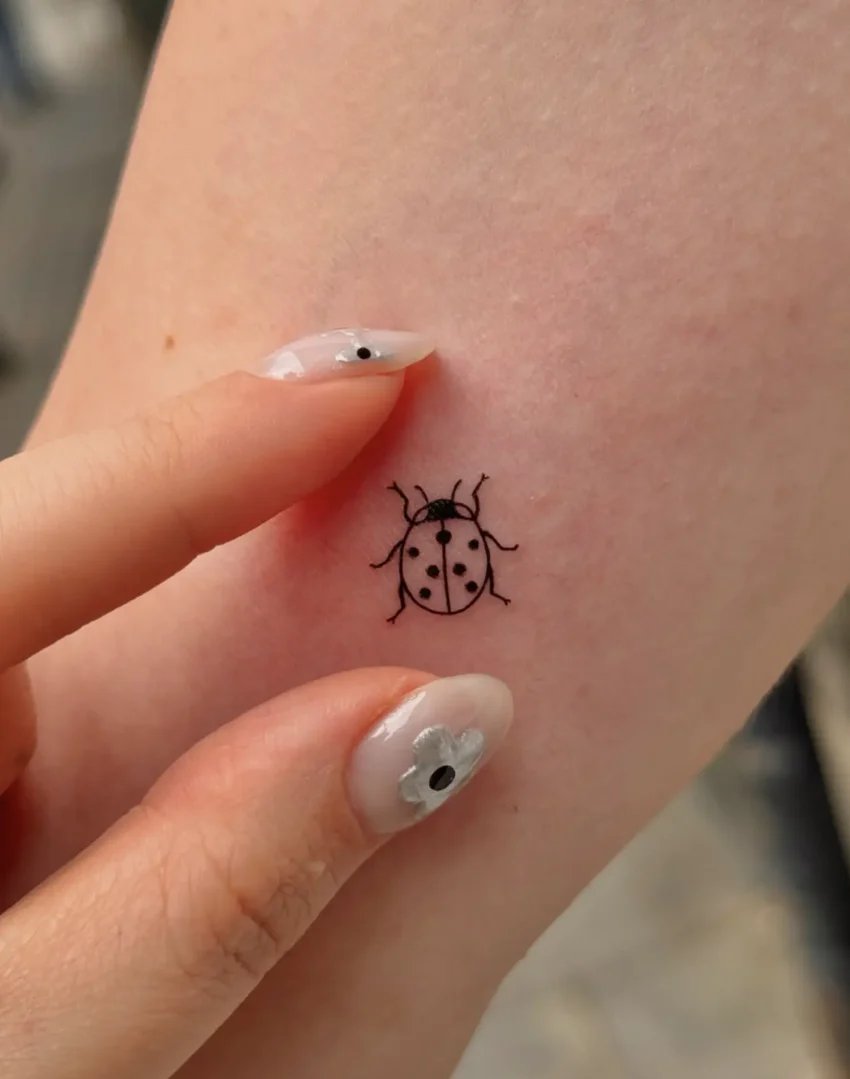
So you clicked on this blog, wondering what to get instead of a fine line tattoo? You’re not alone. In the last year, we’ve seen a huge surge in people looking for alternatives after realising those dainty, minimalistic fine line tattoos don’t always age as well as promised. This tattoo style has its charm, sure — but it’s not a one-size-fits-all solution. Especially not for every skin type, placement, or lifestyle.
In my Melbourne studio — one of the city’s busiest tattoo studios — I’ve met plenty of clients who came in for crisp, delicate designs only to later book in for a cover-up or removal. For many, the disappointment came after they misunderstood the healing stages of a fine line tattoo, expecting it to stay as sharp as day one.
The good news? There are loads of options out there that give you lasting beauty, personal meaning and visual impact — without the heartbreak of watching your tattoo blur into a smudge six months down the track.
Contents
- 1 Why fine line tattoos don’t suit all skin
- 2 Why bold tattoos last longer
- 3 Subtle beauty with cosmetic tattoos
- 4 Minimalist doesn’t mean micro
- 5 Choose your placement wisely
- 6 Micro realism and fine shading
- 7 What we’re seeing in 2025
- 8 What to ask your artist before
- 9 When cosmetic tattoos make more sense
- 10 FAQ
Why fine line tattoos don’t suit all skin
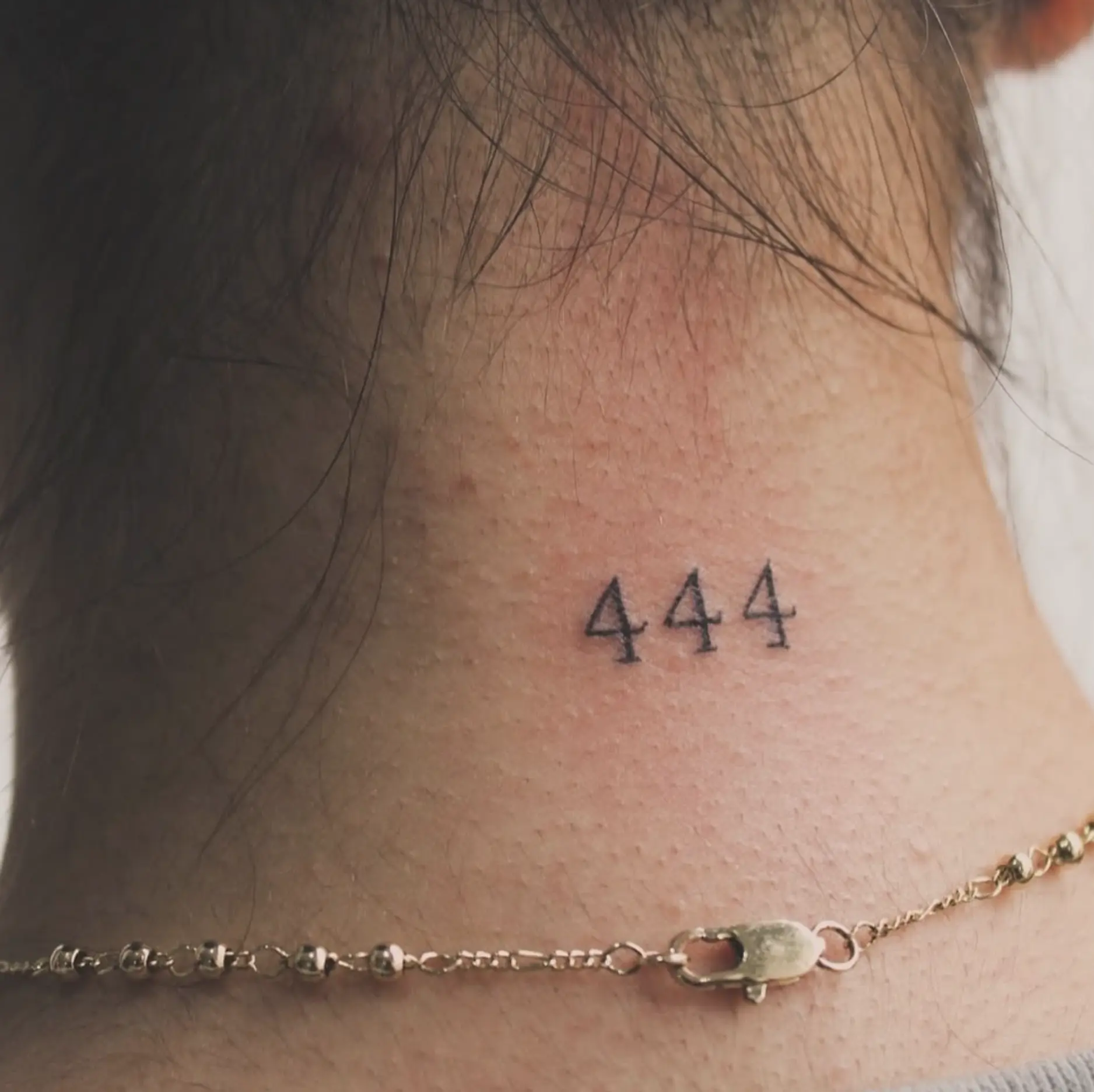
Not all skin reacts the same way to single-needle black-and-grey tattoo style work. Here’s the truth: if your skin is oily, thin or particularly sun-exposed (hello, Aussie summers), you might struggle to hold crisp lines. The tattoo ink can spread, fade quickly or look blown out.
Clients with mature skin or high melanin levels often experience faster pigment migration, which can turn that minimalist script into an unreadable blur. Add to that the friction from clothing, sweating or skincare products — and the fading accelerates.
And remember, when you’re dealing with a fine line tattoo, the margin for error is smaller. Even the slightest shift during the healing stages can impact the end result.
Skin types less suited to fine line work:
- Oily or acne-prone skin (especially on the back or chest)
- Thin or sensitive skin (like wrists, ankles or behind the ears)
- Areas with high sun exposure or frequent movement (like fingers or ribs)
Why bold tattoos last longer
If you want a line-based design but don’t want blowouts, traditional tattoo styles might be the way to go. Think clean outlines, thicker lines and some shaded designs to anchor the ink long term. These hold up better over decades and can handle more complex skin conditions.
A bold script or symbolic motif done with a liner needle (instead of a single needle) often gives better healing outcomes, clearer contrast and less touch-up work. These are popular with the seasoned tattoo collector who’s been through the tattoo journey and knows what works.
If you want to learn how different techniques impact longevity, taking a fine line tattoo course can give you insight into what works best for different skin types and why.
Examples of long-lasting alternatives:
- Small geometric tattoos with thicker line weight
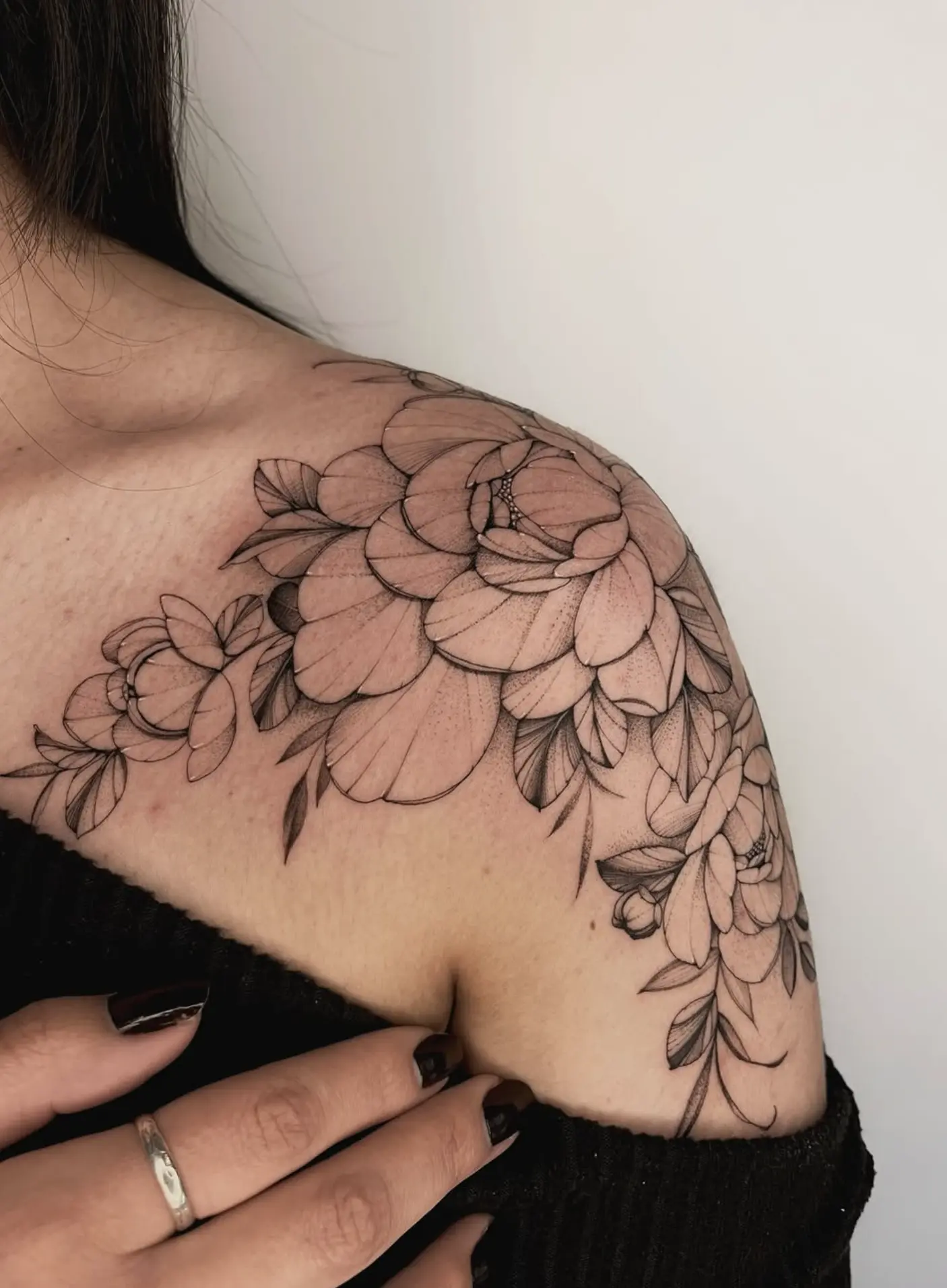
- Classic floral design outlines with dotwork shading
- Fine blackwork using multiple passes for depth and density
Subtle beauty with cosmetic tattoos
Now here’s a personal favourite — especially for clients who want something meaningful but wearable daily. Cosmetic tattoos like lip blush, eyeliner tattooing and brow work offer semi-permanent enhancement without the commitment of full body ink.
Unlike fine line tattoos, cosmetic tattooing is designed to fade softly over time, which is perfect for those who like flexibility. At Face Figurati, I specialise in cosmetic tattoo treatments that enhance your natural beauty while still allowing for subtle updates as trends (and your face) change.
Many clients who initially considered a fine line tattoo for beauty purposes — like delicate lash lines or subtle lip borders — end up choosing a cosmetic tattoo instead, thanks to the softer healing stages and predictable fading.
Cosmetic tattooing benefits:
- Tailored to your skin tone, undertones and facial features
- Heals softly and fades naturally
- Perfect for clients who want a low-maintenance beauty routine
- Performed with high-grade pigments and hygienic safety standards
Minimalist doesn’t mean micro
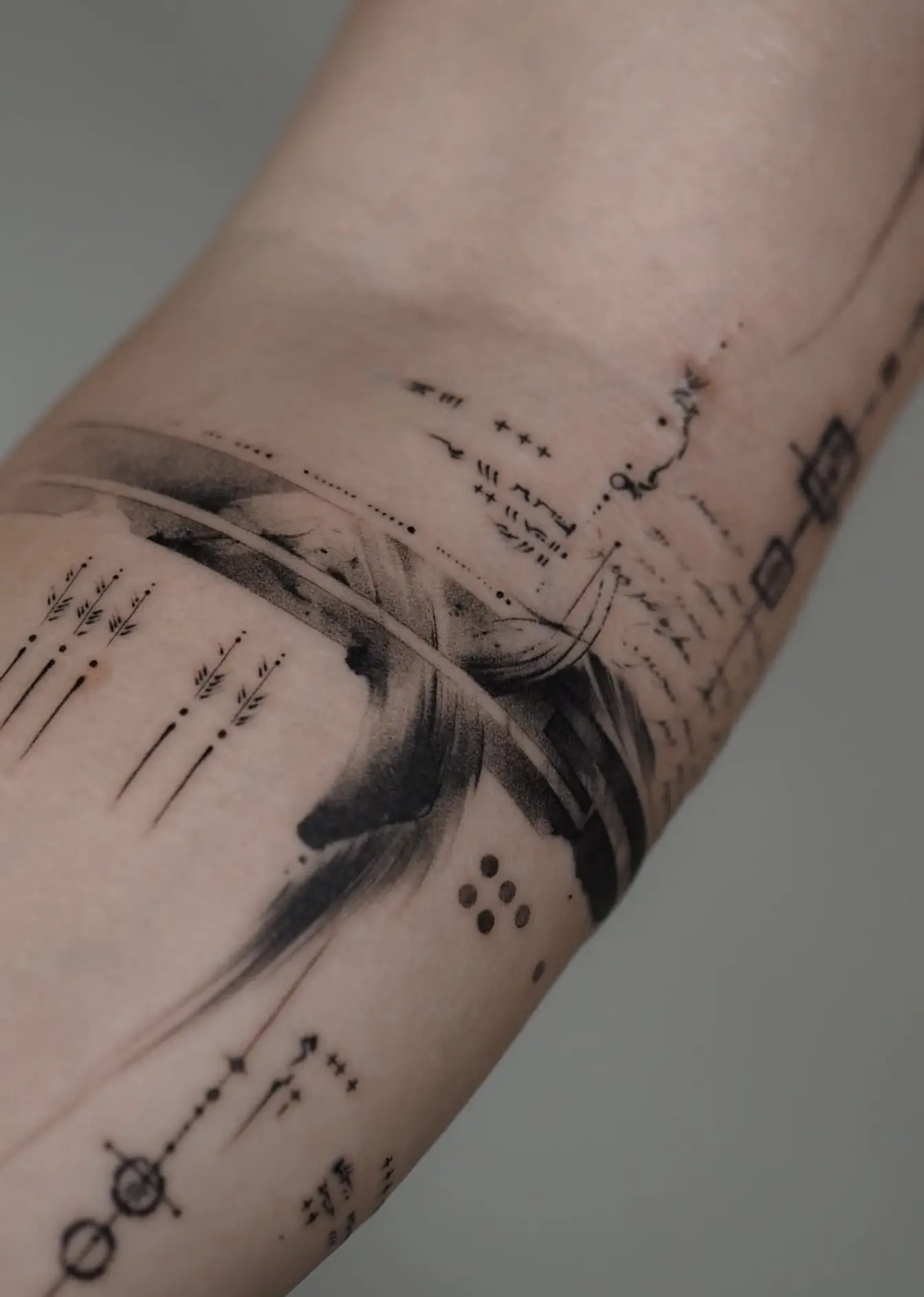
There’s a myth that minimalist tattoos have to be tiny. Not true. If you like a clean aesthetic, go for designs that focus on negative space, layout and placement over size. These give you all the design impact without the ultra-thin lines.
We often guide clients who are torn between cosmetic enhancements and fine line tattoos towards minimalist styles with smarter ink placement and shape dynamics.
Minimalist tattoo styles with more longevity:
- Monoline illustrations (one continuous bold line)
- Black and grey shapes with soft shading
- Stylised silhouettes or abstract symbols
- Delicate yet detailed designs with contrast
Choose your placement wisely
Let’s talk real estate. If you’re getting inked but worried about how it will heal, placement is everything. Some spots are more forgiving over time.
| Body Area | Healing Outcome | Fade Risk | Recommended Style |
|---|---|---|---|
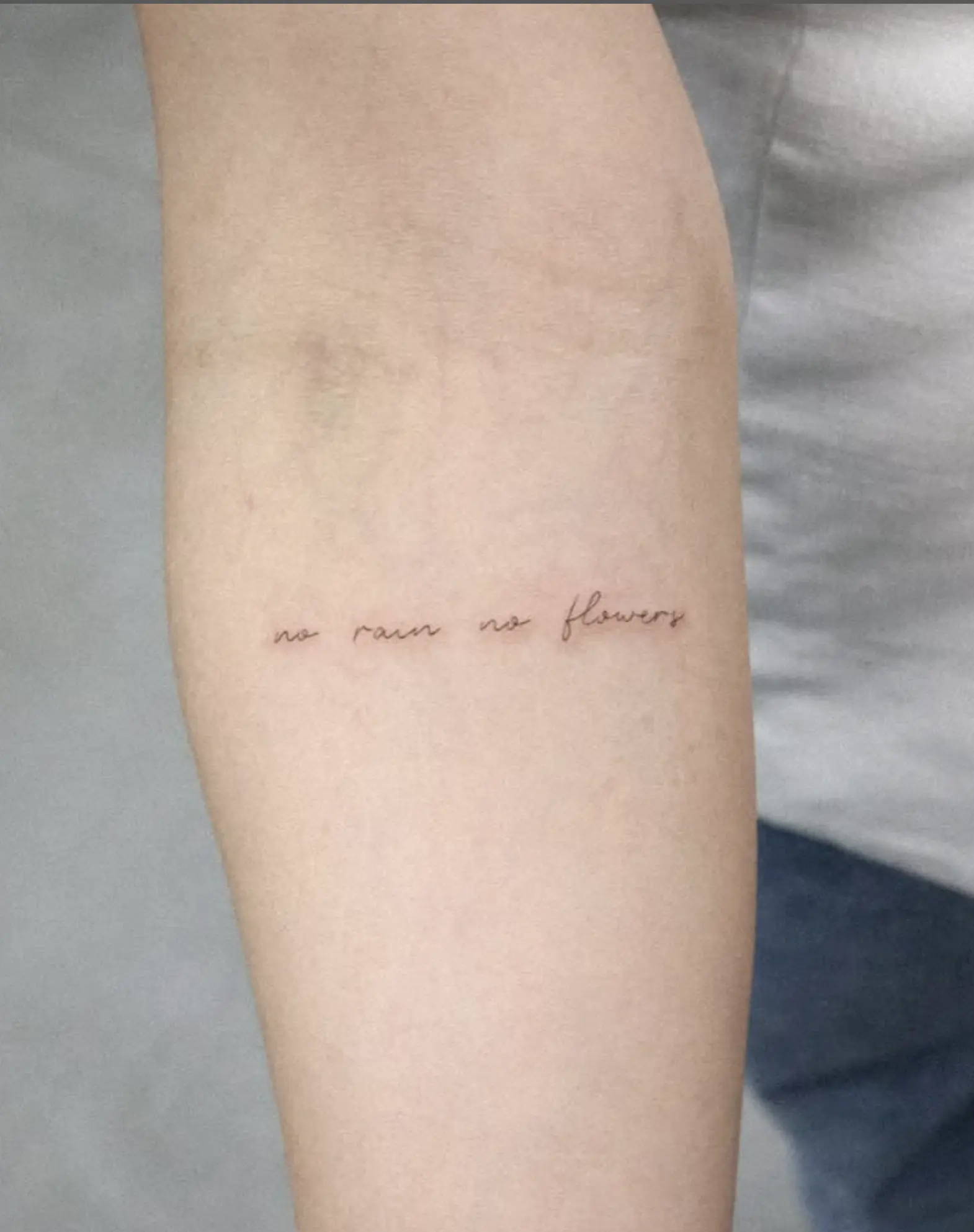
| Inner forearm | Excellent | Low | Symbolic linework or script |
| Upper arm | Very good | Low | Blackwork, geometric patterns |
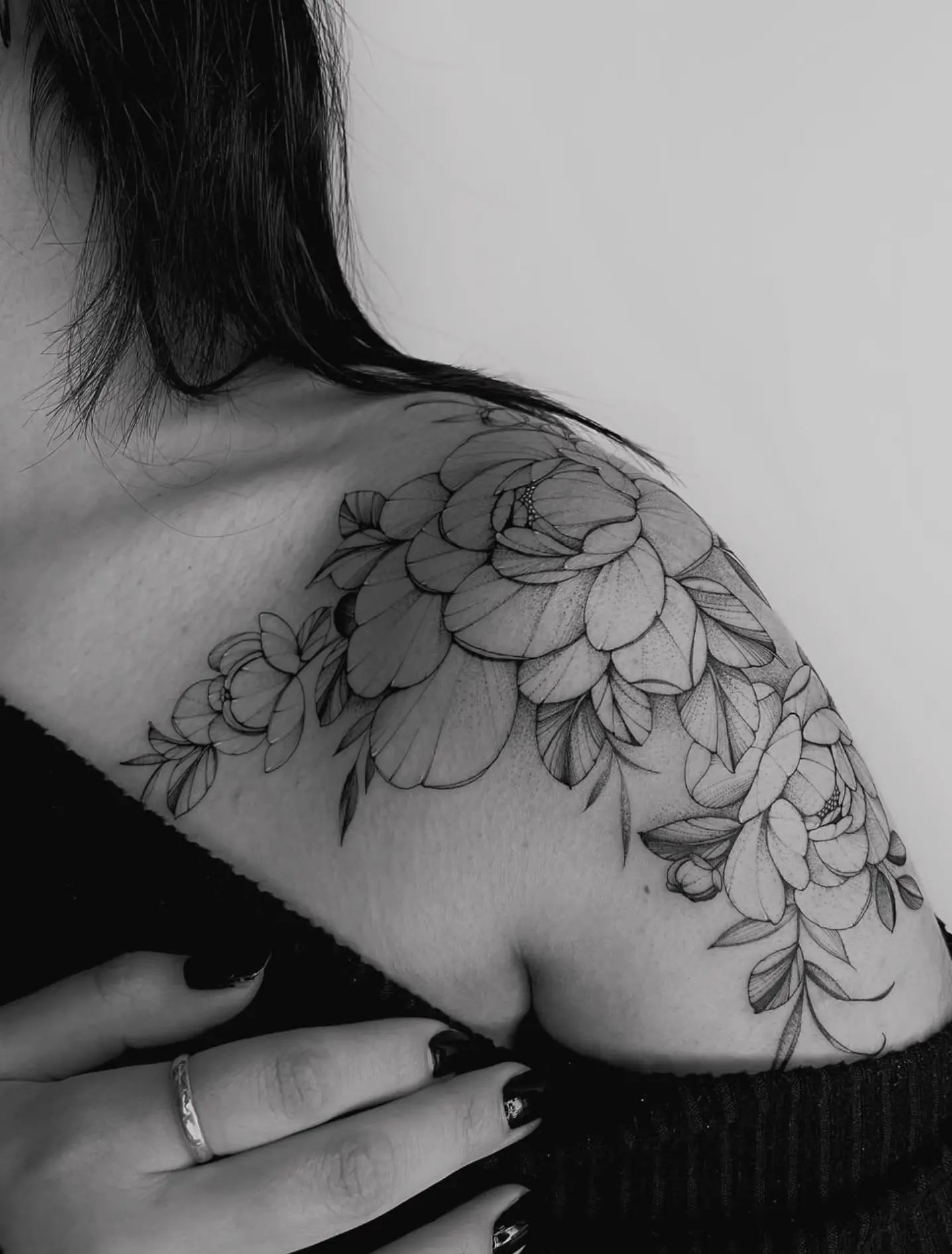
| Back shoulder | Good | Moderate | Floral outlines, bolder designs |
| Ribcage | Tricky | High | Avoid fine line here entirely |
| Fingers/Hands | Poor | Very high | Consider cosmetic instead |
Micro realism and fine shading
Love the detail of a fine line tattoo but want better staying power? Look into micro tattoos with realism or fine shading. These involve expert needle control to create soft gradients, depth and dimension, with more ink density than single needle work.
I often guide clients towards small but impactful tattoos that combine soft shadowing with clean lines for contrast. This way, you get the dainty vibe but reduce the risk of your beautiful tattoo disappearing by year two. It’s a clever way to keep the minimalist look without relying on ultra-thin lines.
What we’re seeing in 2025
According to current tattoo industry data 2025, styles leaning into bolder lines, traditional colour palettes and high contrast motifs are outperforming fine line designs for longevity and client satisfaction. The novelty of fine line tattoos is wearing off as more people seek a tattoo that will last.
Emerging trends to watch:
- Neo-traditional: Bold outlines with modern colour blends
- Whip shading: Light texture with better pigment hold
- Minimalist realism: Small portraits or nature scenes with dimension
- Single-line art: Simple yet bold and age-resistant
- Moon tattoos and rose tattoos: Subtle but rich in symbolism
What to ask your artist before
Before you commit to a new tattoo style, have an honest chat with your talented tattoo artist. Here’s what I recommend asking:
- Is my skin type better suited to bold linework or shading?
- What areas do you recommend for long-term healing?
- Can you show me healed results — not just fresh ink?
- How does aftercare differ for these alternatives?
- What’s your touch-up policy for subtle fading?
These questions will save you future regret and bring your artistic vision to life.
When cosmetic tattoos make more sense
Sometimes the design you want isn’t meant to live on your collarbone or ankle — it’s meant to live on your face. That’s where cosmetic tattooing comes in.
Whether it’s a soft lash enhancement, defined brows or subtle lip tint, cosmetic tattoo treatments give you the kind of everyday impact most people wish they were getting from their fine line tattoo.
Many artists who specialise in both body art and cosmetic tattoo techniques agree that the latter offers more control over pigment behaviour during the healing stages — especially in high-movement facial areas.
At Face Figurati Cosmetic Tattoo Studio in Melbourne, we customise every cosmetic procedure to your skin undertones, facial structure and lifestyle. And unlike regular ink, cosmetic pigments are made to fade gradually and safely.
FAQ
Do fine line tattoos fade more?
Yes — especially when done with a single needle on areas like fingers, wrists or ribs. The thinner the line and the more movement or exposure in the area, the faster it tends to fade.
What style of tattoo lasts longest?
Traditional and neo-traditional with bold outlines and solid fill tend to last the longest. They age well and are low maintenance.
Can cosmetic tattoos replace body art?
Not exactly — but they serve a different purpose. Cosmetic tattoos are great for enhancing facial features and work well for low-maintenance beauty routines.
Can I convert a fine line tattoo into a bolder style later?
Sometimes. Depending on the design and placement, your artist may be able to build around or shade into the existing tattoo. But not all fine line pieces can be salvaged.
Do all artists offer cosmetic tattoo services?
No. Cosmetic tattooing requires specific licensing, training and pigment knowledge. Always look for a certified artist with healed examples of their work — like those at Face Figurati.