
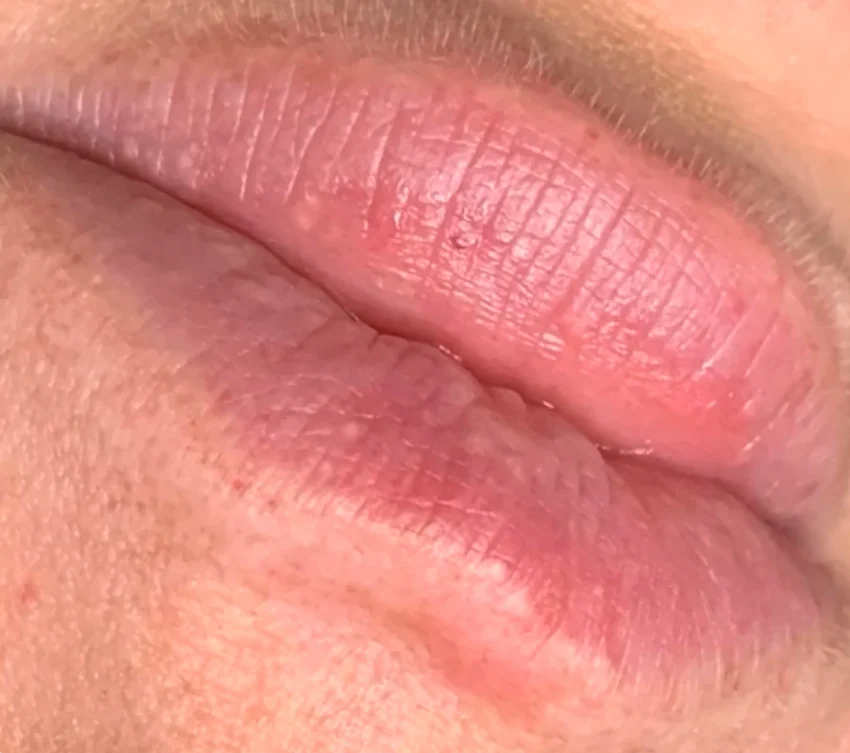
Can I wipe my lips after a lip tattoo? If you’ve just left the studio with a fresh lip blushing tattoo, you’re probably feeling both excited and protective. That gorgeous new pigment colour looks bold right now, and you want it to heal perfectly. But in those first few hours, your healing process is at its most delicate — the pigmentation bonding process has just begun, and the procedure area is still vulnerable.
We’ve been tattooing in Brisbane for over 15 years and have seen everything from perfect results to pigment loss from over wiping. The truth is, your aftercare instructions matter just as much as your tattoo artist’s technique. So before you reach for cotton pads or a tissue, let’s talk about when and how you can safely touch your lips.
Contents
- 1 Why The First 48 Hours Matter Most
- 2 What “Wiping” Means In Aftercare
- 3 Week-By-Week Expectations
- 4 Pigment Retention
- 5 Real Studio Story: Wiping That Went Wrong
- 6 Safe Moisture Removal Without Damage
- 7 Common Mistakes That Delay Healing
- 8 Brisbane-Specific Healing Tips
- 9 Touch-Up And Long-Term Maintenance
- 10 Products We Recommend For Healing
- 11 When To Call Your Artist
- 12 Final Thoughts
- 13 FAQ
Why The First 48 Hours Matter Most
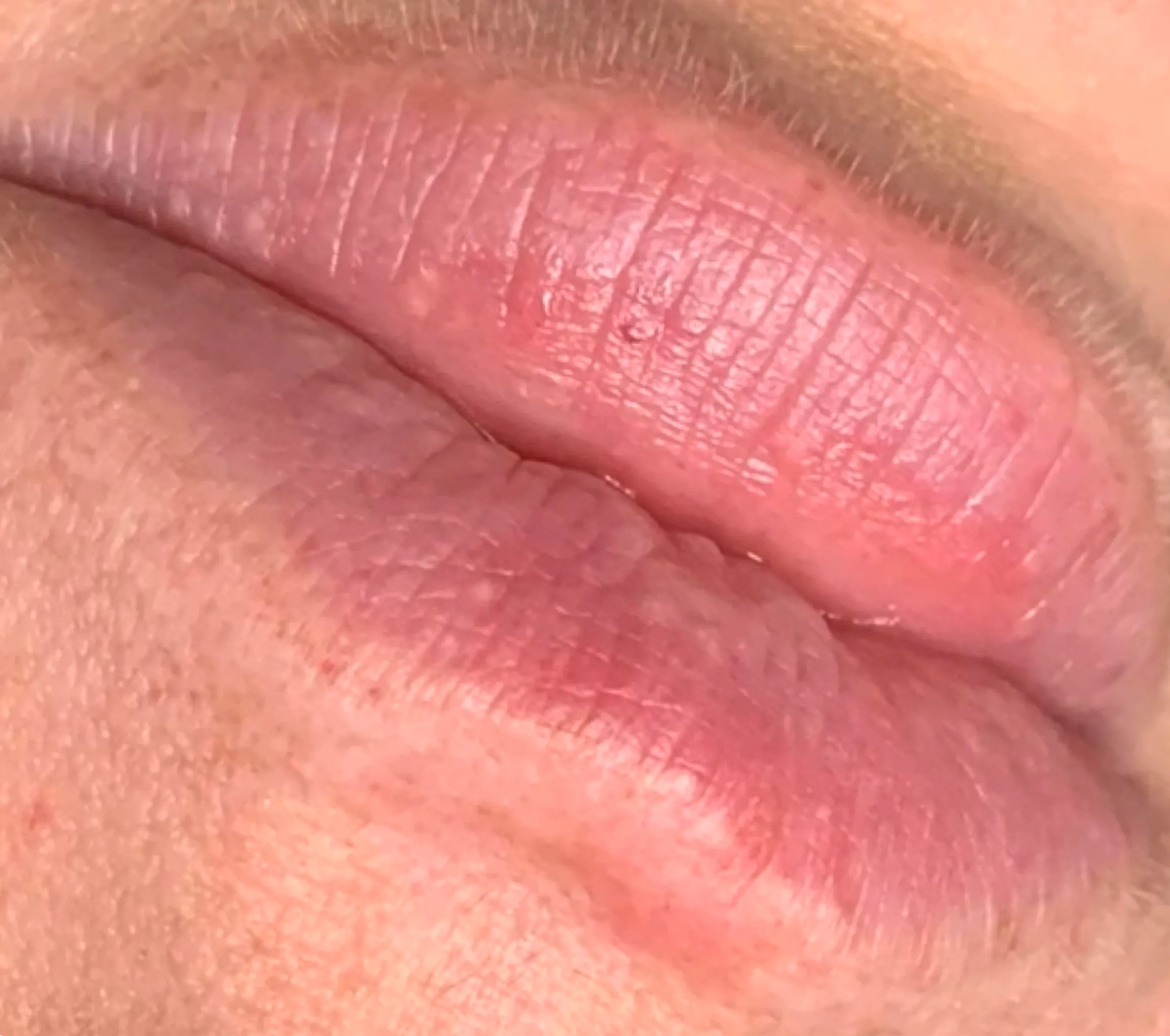
Those first two days aren’t just “important” — they are everything. Your lip skin is essentially an open wound after lip blushing tattoos, and your immune system is working overtime to start the healing phase. Disturbing the pigment colour during this period by wiping, rubbing or using the wrong products can cause permanent pigment loss.
We finish every procedure with a protective layer of healing balm or ointment. This keeps the lip area hydrated, shields it from bacteria and helps the pigment settle. Whether you’ve had a soft lip blushing treatment, lip neutralisation or a bold lip liner, the same rule applies — less interference equals better healed results.
What “Wiping” Means In Aftercare
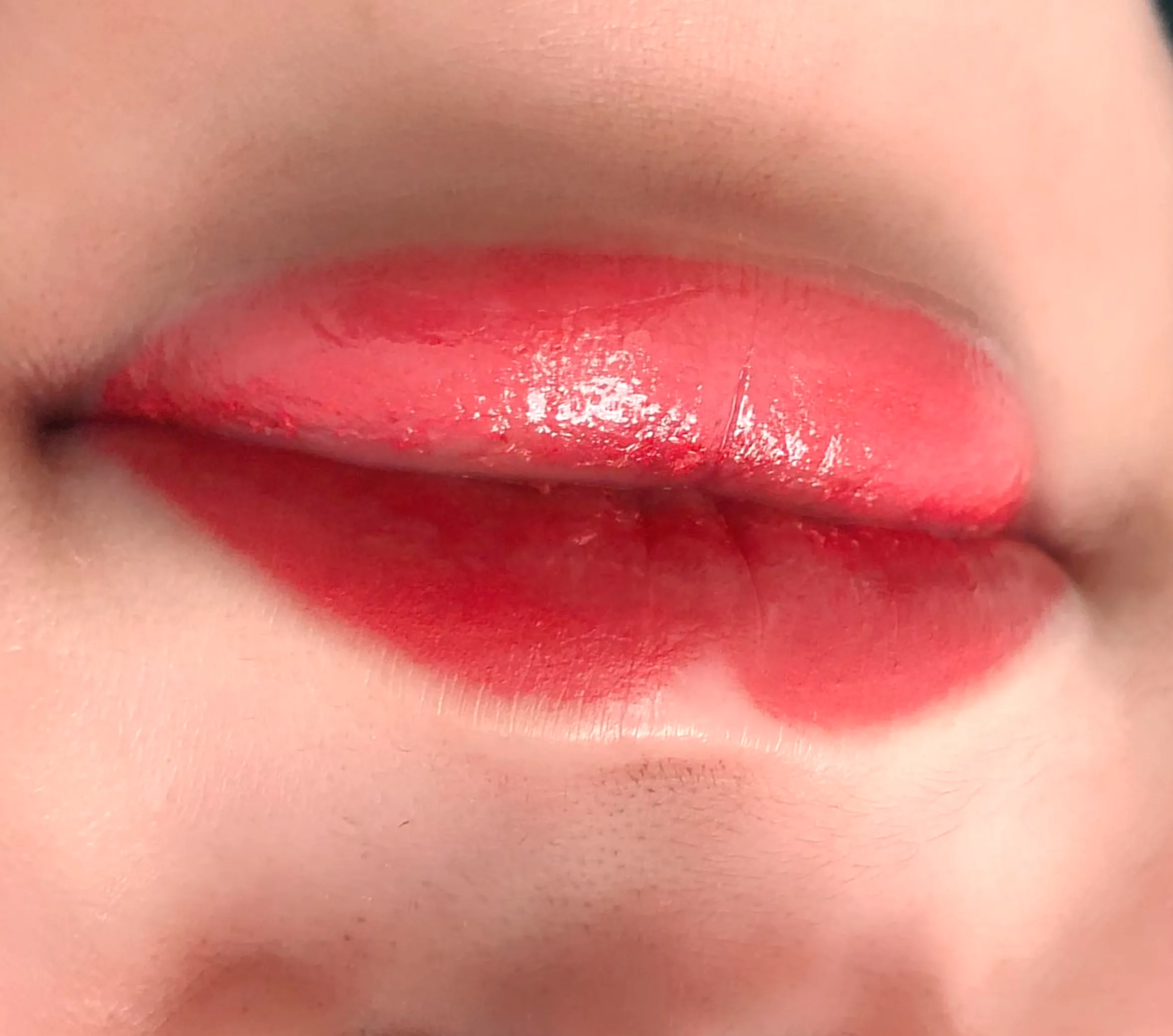
When we say “don’t wipe”, we mean no dragging, no rubbing and no scrubbing of the procedure area. Even using cotton pads with a gentle cleanser can cause friction that lifts pigment before it bonds.
If lymph fluid appears (a normal part of the healing process) it’s fine to blot — not wipe — it away using a clean cotton tip. A cold compress or ice pack can be used around the mouth (not directly on the lip blushing tattoo) to reduce swelling, but always wrap it in a clean cloth and avoid letting moisture pool on the lips.
Week-By-Week Expectations
| Healing Stage | Days Post-Treatment | What You’ll Notice | Aftercare Focus |
|---|---|---|---|
| Fresh | 0–2 | Bold colour, mild swelling, possible cold sore flare-up | Keep healing ointment on, blot lymph fluid gently, avoid spicy food |
| Flaking/Peeling | 3–6 | Scabbing/peeling process, pigment appears patchy | Do not pick, wipe, or exfoliate — reapply healing balm as directed |
| Muted Colour Phase | 7–14 | Lip colour tattoo may look lighter than expected | Trust the process — pigment colour resurfaces as the healing period ends |
| Colour Bloom | 3–6 weeks | Final shade appears, even pigmentation | Book touch-up appointments if needed after 8 weeks |
Your artist knows your skin, your procedure and the exact pigments used. At Face Figurati Cosmetic Tattoo Studio in Brisbane, we give every client a tailored aftercare plan to suit their skin type, lifestyle and the style of lip tattoo they’ve chosen.
Pigment Retention
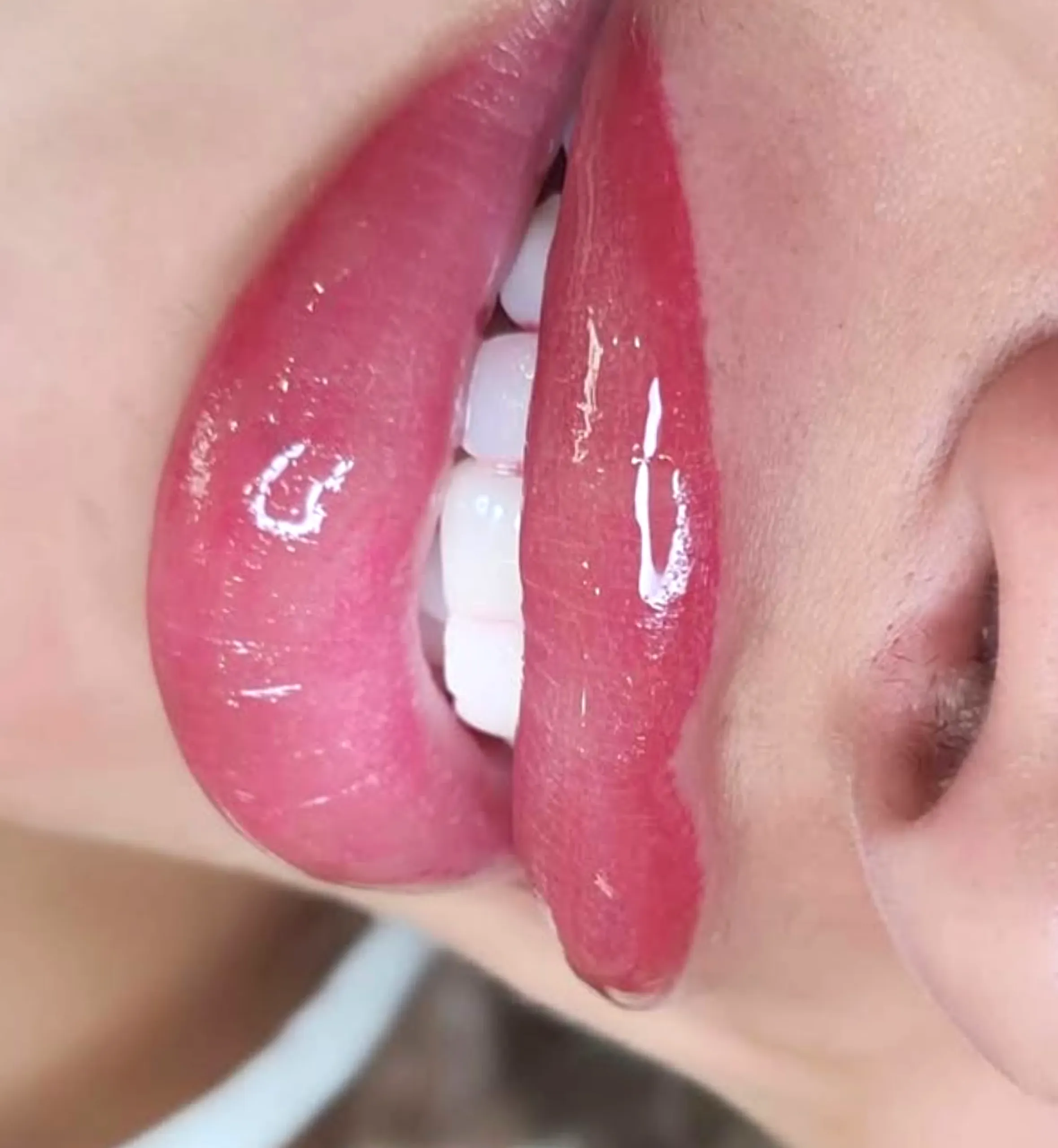
Lip blush pigment settles into the upper dermis during the initial healing phase. The pigmentation bonding process takes time and is influenced by:
- Skin type — oily skin may need more touch-up work.
- Immune system health — if you’re prone to cold sores, take antiviral medication before treatment to prevent outbreaks.
- Post-treatment care — following aftercare instructions can reduce pigment loss by over 80%.
UV exposure, tanning beds, chemical peels, and harsh exfoliants (including lip scrub exfoliation) can all fade pigment prematurely. This is true whether you have a natural-toned lip blushing tattoo or a vibrant statement lip colour tattoo.
Real Studio Story: Wiping That Went Wrong
One of our Brisbane clients had amazing lip colour when she left the studio. But she hated the feel of healing balm and wiped her lips repeatedly with cotton pads during the first day. By her touch-up she had an uneven lip line and patchiness — classic pigment loss from friction. We corrected it, but it meant extra healing time and another appointment to get her lip tattoo back to its original finish.
Safe Moisture Removal Without Damage
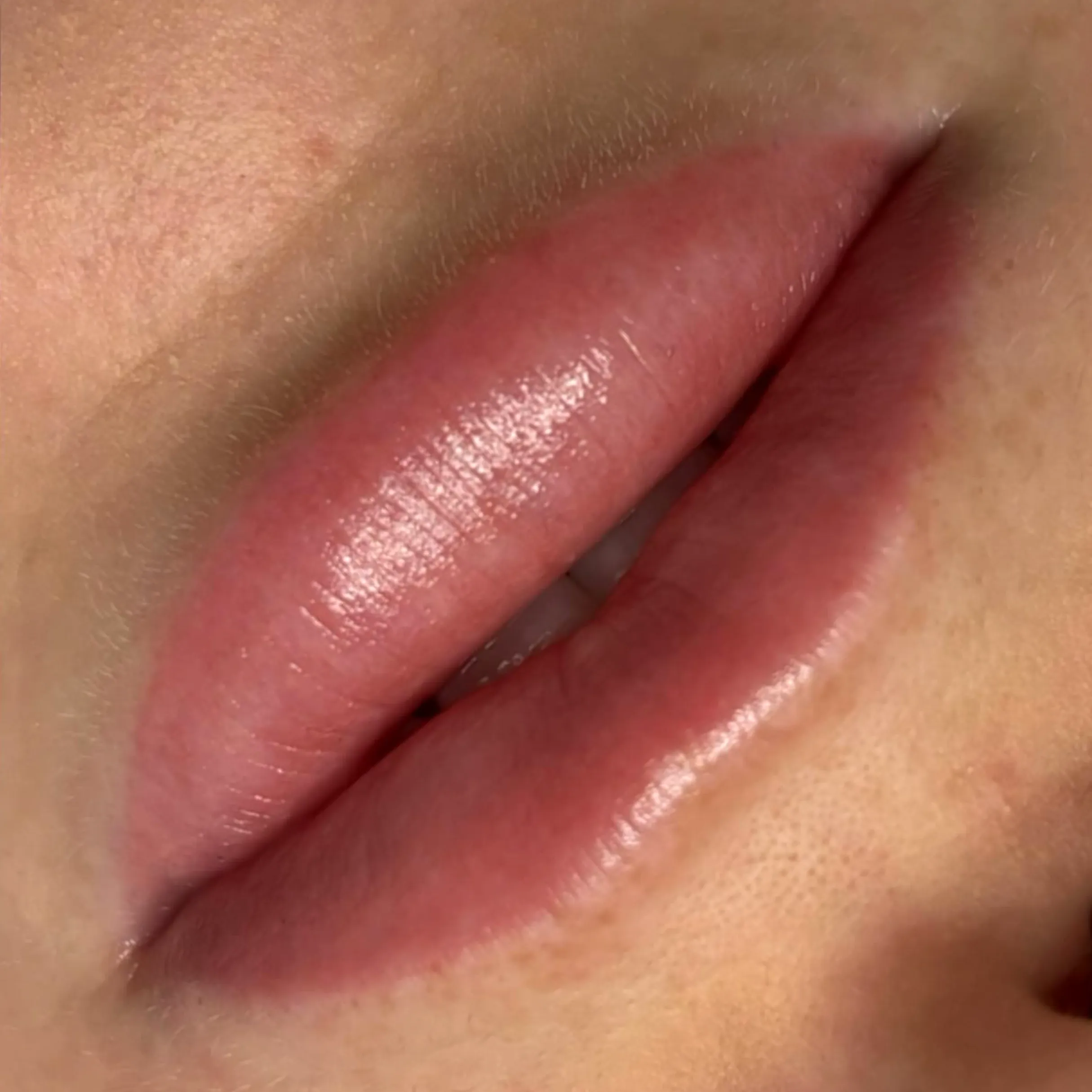
If you need to tend to your lips:
- Use clean cotton tips, not tissues from your bag.
- Dab, don’t drag.
- Reapply healing balm or ointment immediately.
- Wash your hands first to avoid introducing bacteria.
This applies to all styles — whether your procedure was a classic lip tattoo, a sheer lip blushing style, or a defined lip liner look.
Common Mistakes That Delay Healing
- Eating spicy food too soon increases irritation and swelling.
- Using makeup removers or green soap directly on fresh lips strips pigment.
- Wiping instead of blotting — even once can disrupt pigment colour.
- Skipping antiviral medication if you’re prone to herpes outbreaks.
- Applying ice packs directly without a barrier.
Brisbane-Specific Healing Tips
- Humidity — makes the lip area feel sticky; don’t over-clean, just blot gently.
- Summer storms — avoid sudden temperature changes that cause dryness.
- UV exposure — once healed, use SPF lip balm to protect against fading.
Many of our Brisbane clients book their lip blushing appointments in the cooler months when swelling is easier to manage and UV exposure is lower.
Touch-Up And Long-Term Maintenance
Most clients need a touch-up around 8–12 weeks after their initial lip blush tattoo. These appointments are for:
- Evening out pigment colour.
- Fixing minor pigment loss spots.
- Reinforcing the lip line if it’s softened during the healing phase.
Long term, avoid excessive chemical peels, laser light therapy and tattoo removal in the lip area unless you’re prepared for fading. Regular care will keep your lip blush results looking fresh for years.
Products We Recommend For Healing
- Healing ointment or balm — fragrance-free, breathable, recommended by your artist.
- SPF lip balm — once healed, to protect from UV exposure.
- Antiviral medication — if prone to cold sore outbreaks.
- Vitamin C supplement — supports the immune system during recovery.
- Aloe vera gel — only after full healing, to soothe dryness.
When To Call Your Artist
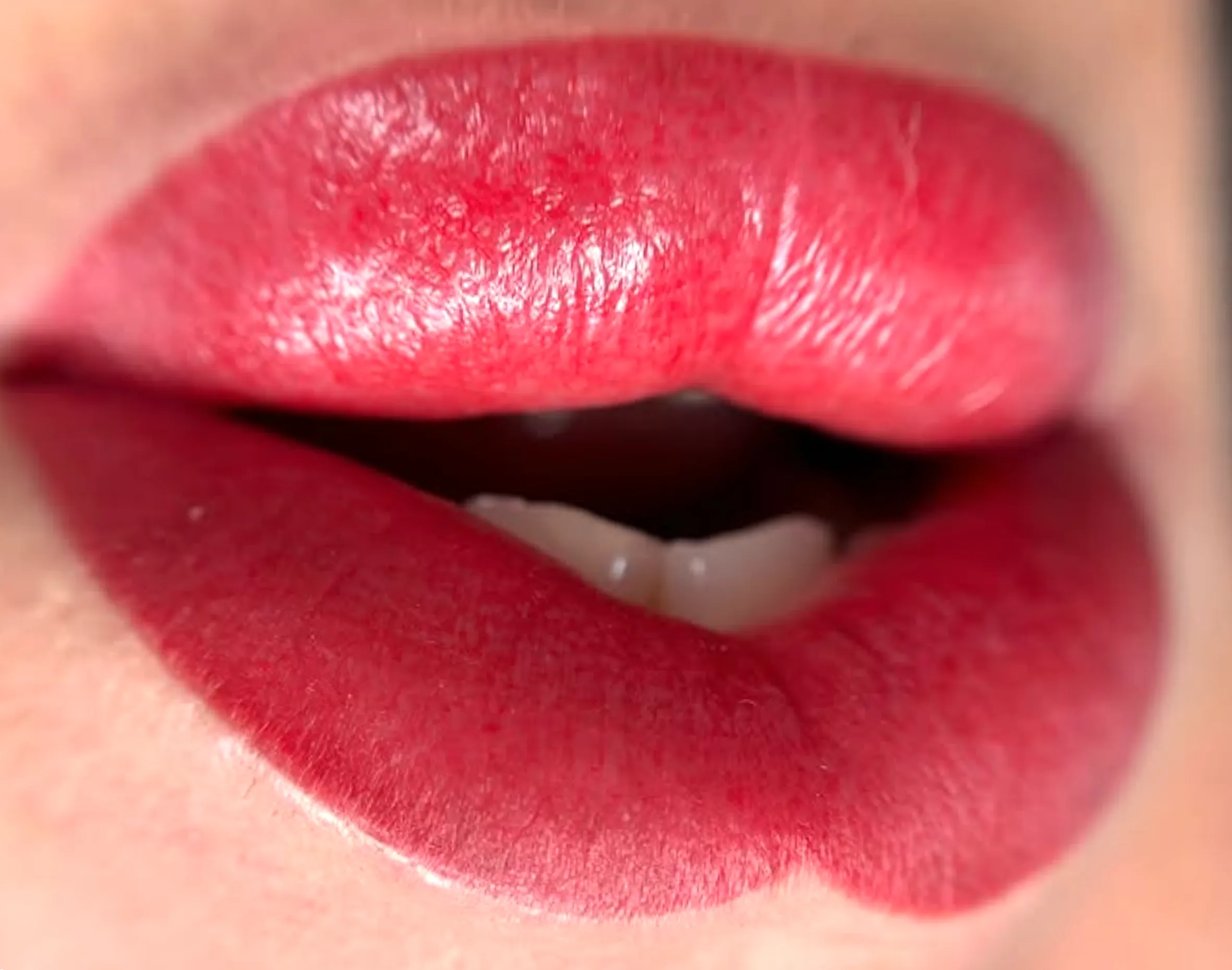
Get in touch with your artist if you notice:
- Cold sore flare-ups that are getting worse.
- Swelling beyond day 3.
- Signs of infection (yellow/green discharge).
- Sudden pigment loss before the scabbing/peeling process is complete.
Final Thoughts
Your lip blush tattoo is an investment in daily confidence. Wiping too soon is like washing fresh hair colour with hot water — you’re undoing the artistry you just paid for. Whether it’s your first cosmetic tattoo or a refresh after previous lip tattooing, the golden rule remains: blot, don’t wipe.
Follow your aftercare instructions, keep your immune system strong, avoid irritants like spicy food and tanning beds, and book your touch-up to lock in the results. Your healed lips will thank you.
FAQ
Can I use a tissue in the first week?
Only to blot lymph fluid — wiping risks pigment loss.
What if I accidentally wipe once?
Not the end of the world, but repeated wiping messes up the healing process.
Can I use a gentle cleanser?
Only around the lips, not directly on the tattooed skin during the first healing phase.
How soon can I eat spicy food again?
After the peeling phase is complete, usually 7–10 days.
Will laser treatments remove my lip blush?
Yes — laser light therapy can fade or remove pigment. Avoid unless you want removal.