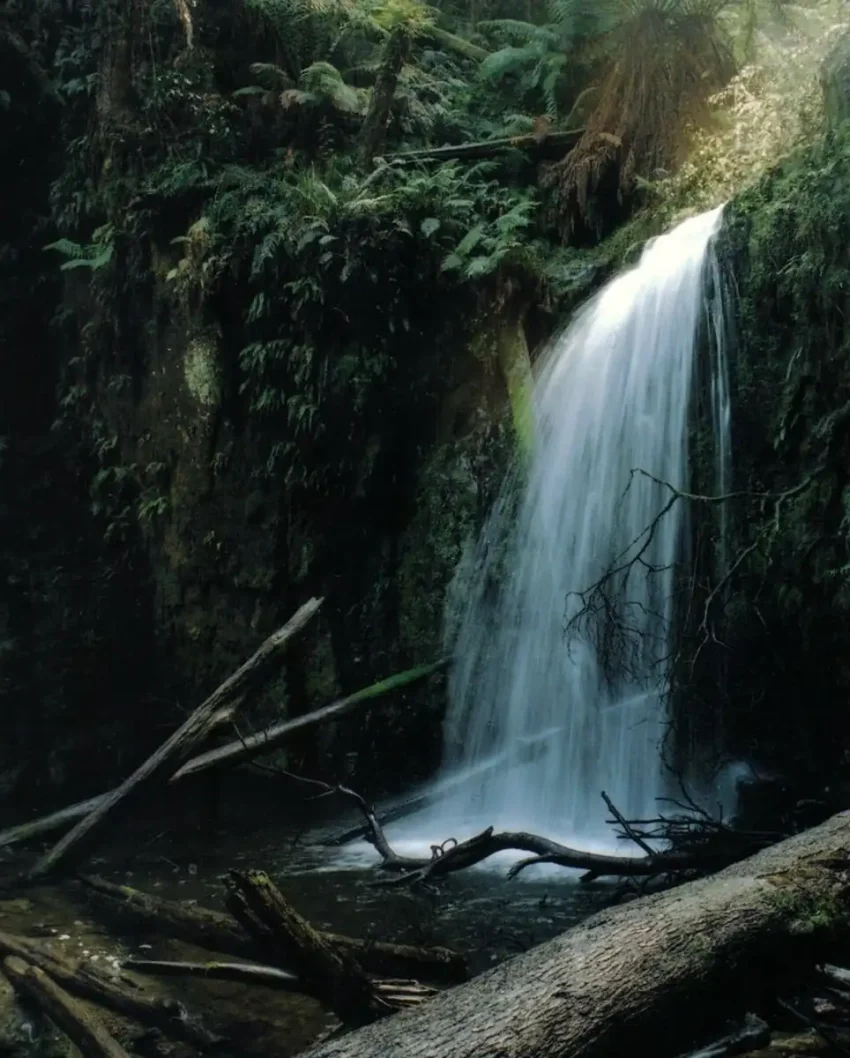
Which waterfalls in the Otways are currently within reach? At the moment, the main falls in the Otways – and particularly those which branch off inland from the Great Ocean Road between Lorne and Apollo Bay – are open & pretty much always accessible: Hopetoun Falls, Triplet Falls, Erskine Falls, Sheoak Falls, and Beauchamp Falls.
Others, such as Marriners Falls, Carisbrook Falls, Stevensons Falls, and Henderson Falls, are generally open too – but let me give it to you straight from years of experience in this area – the state of access in the Otways is always up in the air. It changes day to day with the rain, the state of the roads and maintenance. Give it a good storm, and what was a quick little stop on the track might all of a sudden become a slippery, nasty.
I’ve seen tourists turn up with 10 minutes allocated for each stop and end up needing a solid 40 minutes to get through them all – it’s pretty much the norm in the Otways.
Contents
- 1 Reliable Waterfalls For Easy Access
- 2 Usually Open, But Unpredictable
- 3 Practical Planning Snapshot — What It’s Really Like
- 4 Getting There Without Stuffing It Up & Regretting It
- 5 If You Only Have a Single Day — Keep it Realistic
- 6 How the Seasons Impact Your Trip
- 7 On-The-Ground Reality
- 8 Safety – What You Really Need To Take Seriously
- 9 Costs – What A Day Out Will Really Set You Back
- 10 Who This Is Right For
- 11 A Simple Pre-Trip Checklist That Can Save Your Bacon
- 12 Adding Some Wildlife And Coastal Stops To The Mix
- 13 Keep an Open Mind and Be Prepared for Changes
- 14 Summary
- 15 FAQ
Reliable Waterfalls For Easy Access
If you’re after something with a high success rate – low closure times, decent facilities and a good bet that you’ll get in – these are your best bets.
Hopetoun Falls – The Default Choice For Most Travellers

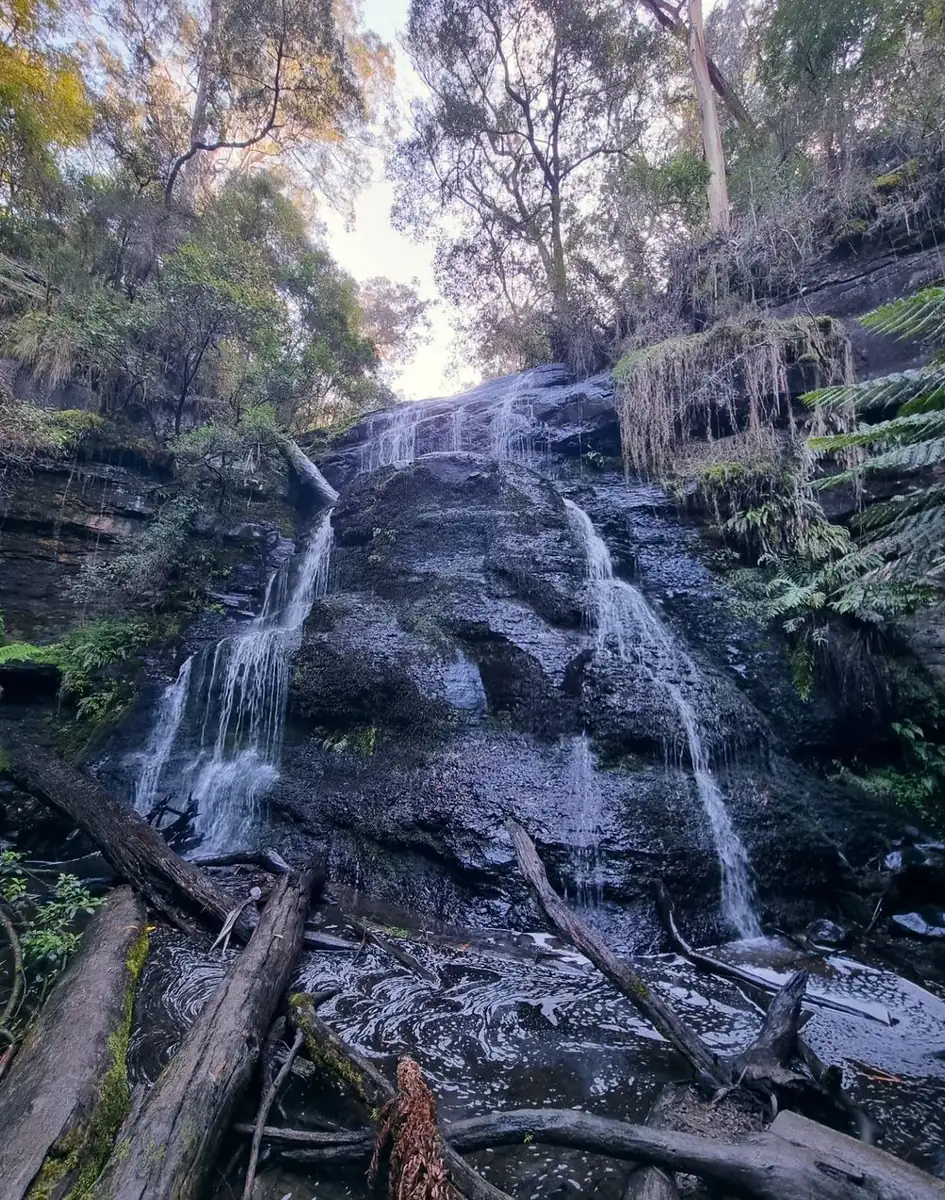
Hopetoun Falls is by far the most reliable stop in the Otways. And it’s a no-brainer – a short walk leads to a viewing platform that’s actually up high, and it still puts on a nice show even when things are dry thanks to those fern gullies supplying a steady flow.
What actually happens most of the time when I bring a group here is someone says, “That wasn’t a long way,” and then yelps as they scramble back up! The stairs can be a bit of a nasty surprise.
Triplet Falls – Don’t Let The Map Deceive You
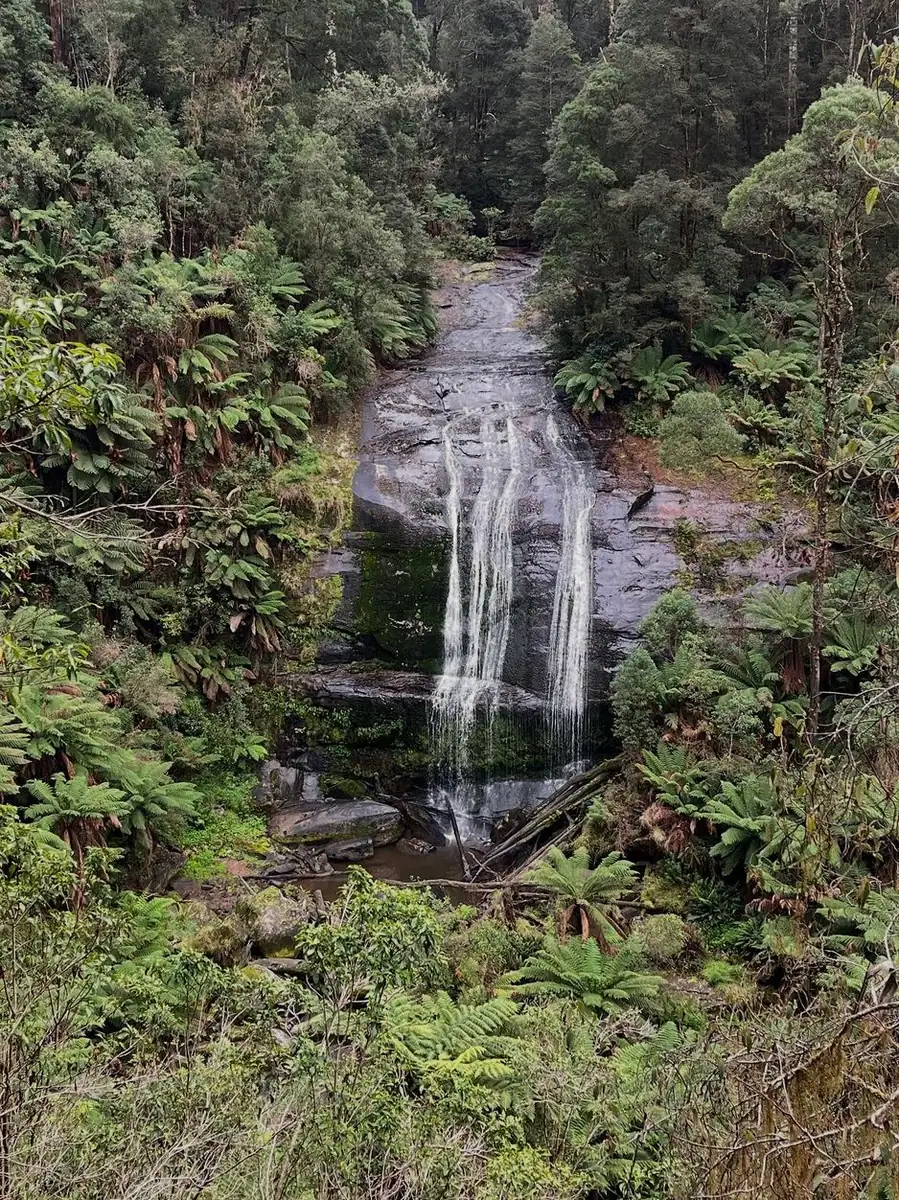
Triplet Falls always seems to sneak up on people. It’s not one big drop; it’s a bunch of little ones, happening in the middle of a dense forest.
What tends to catch people out is that the loop walk is way longer than it looks on the map, let alone when you factor in all the time you’ll spend taking photos, and dealing with slippery bits and uneven ground.
The truth is, you’ll need at least about an hour if you’re not in a hurry.
Erskine Falls – The Waterfall That Can Give You Two Experiences
Erskine Falls is the ultimate flexible option:
- The top lookout is a super quick and easy win, no fuss
- But if you head down to the base, you get a steeper climb and a much better payoff
What I’ve noticed over the years of leading groups is that people often rush down and then underestimate the climb back up – especially on a hot day.
Stevensons Falls – The Easiest Place To Get Off The Road For A Dip
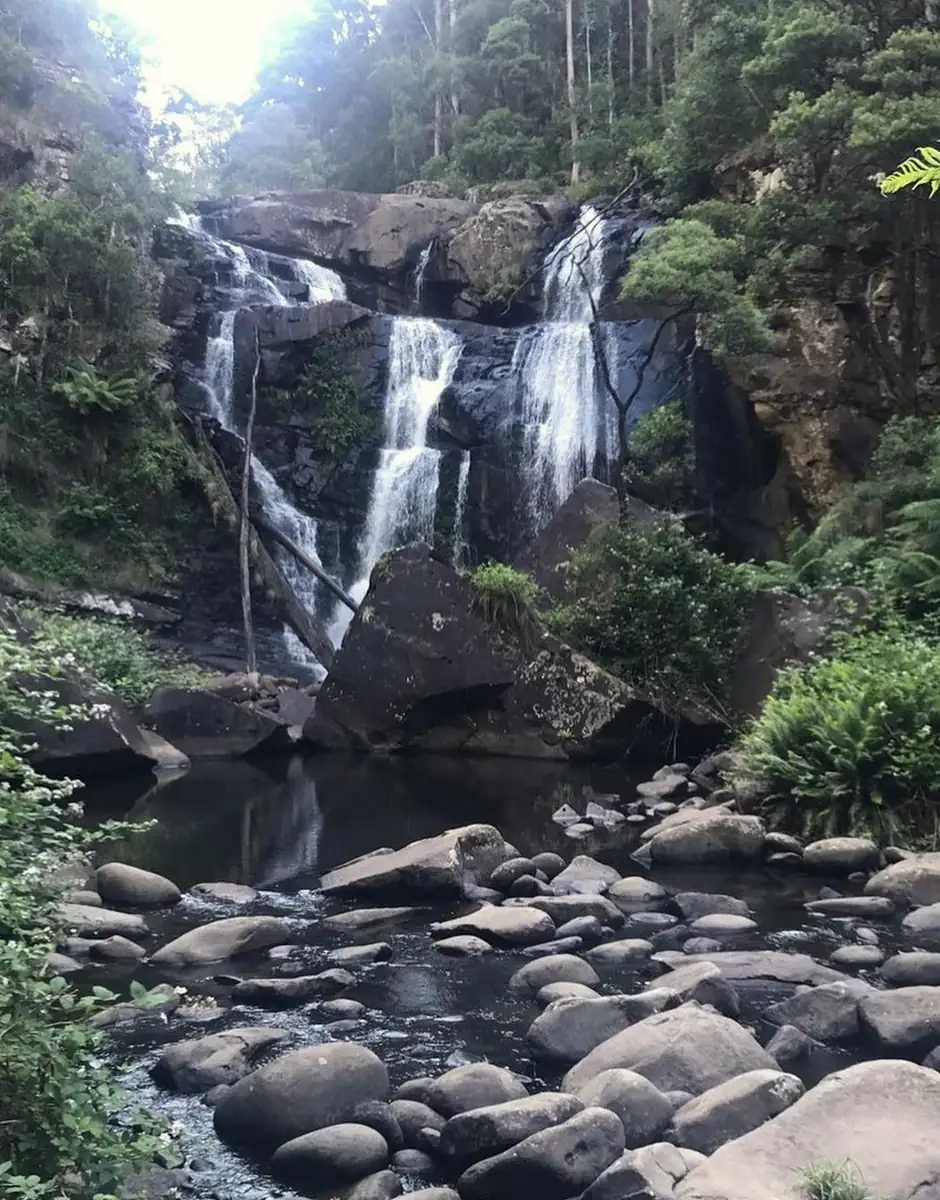
Just outside Forrest, Stevensons Falls is one of the most accessible inland waterfalls going. You can stroll on in, take a break at the picnic tables – it’s genuinely one of the best options for families or groups that don’t want to do any serious climbing.
Usually Open, But Unpredictable
These waterfalls are usually open, but the conditions vary.
Marriners Falls – Quiet, But Don’t Make The Mistake Of Underestimating It
Marriners Falls near Apollo Bay has been there for you year-round – but it’s got a bit of a slippery streak.
If it’s rained recently, you’re in for a mud fest – and uneven footing. Not super difficult, just slow going.
Carisbrook Falls – A Quick Option, Unless It’s Been Raining
Carisbrook Falls looks like a no-brainer – a short walk, easy peasy. And in dry conditions, it pretty much is.
But after a bit of rain? It’s a lot steeper than you expect, and people often get caught out on that.
Henderson Falls – A Long Shot Unless You’re Not In A Hurry
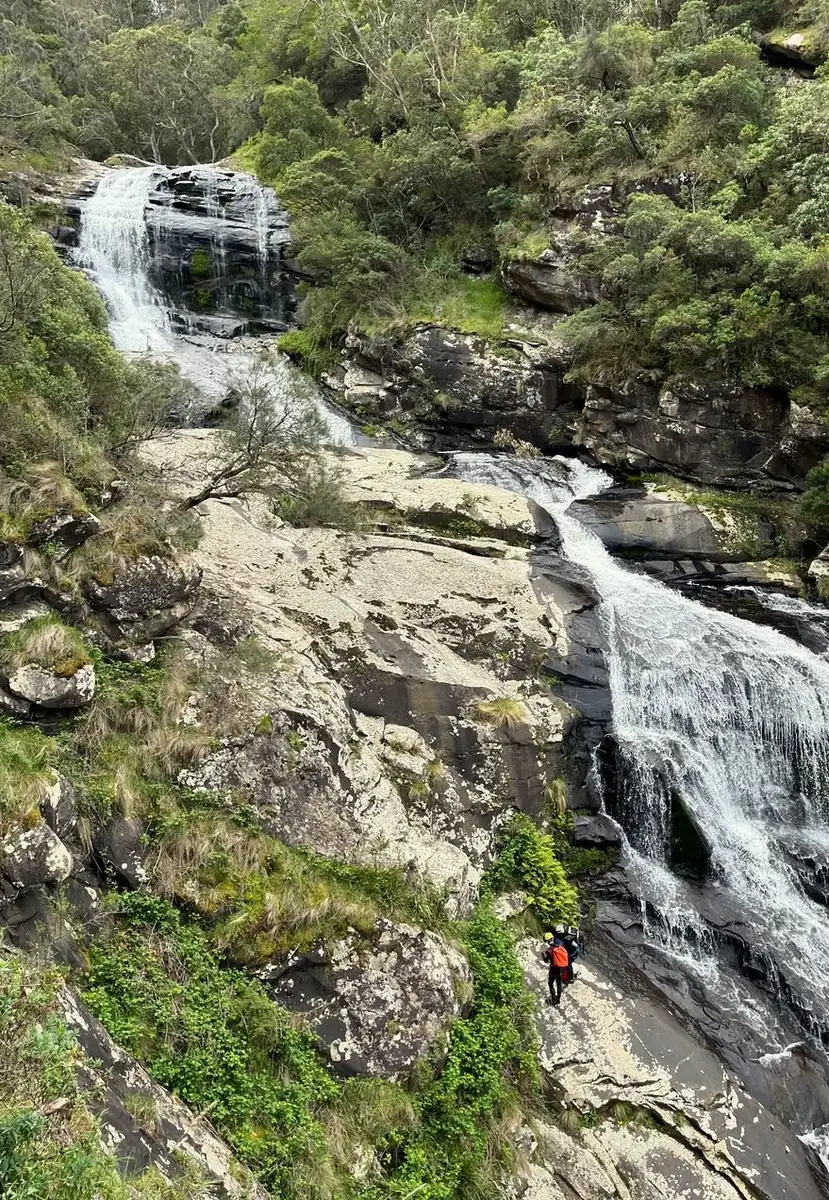
Henderson Falls is the sort of place you can get to in most conditions – but it’s pretty far out, and it takes an age to get there.
If you’re doing a tight trip down the Great Ocean Road, Henderson just isn’t worth the detour unless you’re short on time.
Practical Planning Snapshot — What It’s Really Like
| Waterfall | Access Reality | Time You’ll Actually Spend | Parking Situation | Key Consideration |
|---|---|---|---|---|
| Hopetoun Falls | Easy but steep stairs | 30–40 mins total | Small, fills quickly | Slippery steps |
| Triplet Falls | Easy loop, uneven terrain | 45–60 mins | Good space | Gravel road in |
| Erskine Falls | Easy top, tough base | 20–45 mins | Busy near Lorne | Stairs back up |
| Stevensons Falls | Very easy | 15–25 mins | Easy | Best for low effort |
| Marriners Falls | Moderate, can be muddy | 30–45 mins | Limited | Track conditions |
| Henderson Falls | Remote, slower access | 60+ mins | Basic | Time commitment |
Getting There Without Stuffing It Up & Regretting It
Driving is still probably the best way to get to the coast.
From Melbourne, be prepared for:
- Around 2.5 to 3 hours to Lorne
- Another 1.5 hours to Apollo Bay – don’t plan on doing much on the way unless you’ve got all day
- Every inland waterfall detour is going to add time, and a lot more than you think.
If you don’t want to worry about driving and navigating yourself, it’s worth looking at a guided tour like Great Ocean Road Tours – they make things a lot easier & less stressful. Most standard day tours on the Great Ocean Road will only take in 1 or 2 waterfalls; if you’re trying to squeeze in too many, you’ll just end up rushing.
If You Only Have a Single Day — Keep it Realistic
Don’t try to cram an entire day full of sights. That’s the fastest way to ruin the whole day.
You need to prioritise:
- Erskine Falls
- Hopetoun Falls
- Either Triplet Falls or Stevensons Falls
That route is actually doable & works in real life, not just on paper.
How the Seasons Impact Your Trip
The season has a bigger impact than just how much water is coming over the falls.
- Winter: really strong waterfalls, but the tracks are all muddy, and you’ve got a higher chance of some of the roads being closed
- Spring: probably the best balance for most people – good water flow, but safer access too
- Summer: easier walking, but the water flow isn’t as good
- Autumn: more stable conditions, fewer crowds & consistent weather
To be honest, spring is probably the sweet spot for most people who travel this route.
On-The-Ground Reality
Your Expectation: “Quick visits to the coastal views.”
The Reality: You’ll end up spending more time on the inland bits than you expect. The tracks are all damp & slippery, the steps are steeper than you thought, & you’ll be slowing down – which is actually part of the experience.
Safety – What You Really Need To Take Seriously
These waterfalls aren’t swimming holes.
Watch out for:
- Wet, slippery rocks with no grip to speak of
- Sudden water surges after a rainstorm
- Pretty thin barriers in some spots
Keep the basic water safety rules in mind. Stick to the paths & don’t even think about climbing up the edges for a snap – I’ve seen way too many people come close to disaster by trying to push their luck.
Costs – What A Day Out Will Really Set You Back
You can get to the waterfalls for free, but the journey itself costs an arm and a leg.
You can expect to fork out around:
- Fuel: $60-$100 AUD return from Melbourne – that’s a bit of a killer if you’re in a small car
- Meals – plan on spending $15-$30 per sitting for something to eat
- Coffee breaks – they cost $5-$6, too
- If you book a guided Great Ocean Road tour, expect to pay $120-$180 AUD
No entry fees – just the cost of fuel, some grub & your patience
Who This Is Right For
This is a great experience for people who are happy to take their time on uneven terrain and not be too fussy about getting all that way only to rush through a few spots.
On the other hand its not the best option for:
- Anyone with mobility issues
- People who are only used to walking on flat, dry paths
- Anybody who thinks they can cram the whole trip into half a day – you can’t
A Simple Pre-Trip Checklist That Can Save Your Bacon
Before you head out, make sure you:
- Check the Parks Vic website for any last-minute closures first thing in the morning
- Wear shoes that are actually good for walking in (not just something pretty that you accidentally picked up)
- Factor in some extra time between stops; it’s better to have a bit of a buffer than to be stuck out on the road when it closes
- Bring some water and a lightweight jacket, just in case
- Download the maps on your phone so you can use them offline when you don’t have any signal
Following these simple rules will probably keep you out of most trouble.
Adding Some Wildlife And Coastal Stops To The Mix
If you’re doing a full Great Ocean Road Trip then you’ll want to mix it up a bit and take in some of the coastal spots.
If you time it right, you might even see some marine life, like:
- Southern Right Whales along the coast
- Humpback whales migrating past
Near Apollo Bay, check out Wildlife Wonders, they do guided bush walks through the native bush – it’s a great way to get a bit of exercise and see some wildlife. Alternatively, if you’re looking for a quieter spot to get away from the crowds, Lake Elizabeth is worth a look.
Keep an Open Mind and Be Prepared for Changes
Most waterfalls in the Otways are accessible right now, and the most popular ones are really easy to reach. But the whole experience depends on how you approach it.
Pick a handful of must-see spots and leave some extra time in your schedule – more than you think is going to be needed. And be ready to adjust plans based on the day’s conditions.
That’s exactly the way we structure our Great Ocean Road tours – not by trying to cram every single location in, but by ensuring each stop actually makes sense for the day.
Summary
At the moment, the main Otways waterfalls – Hopetoun, Triplet, Erskine – and a few others are well within reach, especially along the Great Ocean Road. It’s all about understanding the current conditions, choosing the right places to visit and allowing enough time. Plan sensibly, be prepared to change your plans, and you’ll have a far more enjoyable time trying to see all the waterfalls, rather than rushing round the whole region in one hectic day.
FAQ
Are waterfalls near Apollo Bay a doddle to get to?
Yeah, but some tracks like Marriners Falls turn into a muddy mess after rain – so you’ll need to be a bit more careful.
What’s the quickest waterfall to visit?
Hopetoun and Sheoak Falls are the easiest places to just pop in and out of.
Can you see waterfalls on a standard Great Ocean Road day trip?
You can, but most tours only have time for 1 or 2 stops – it’s a bit tight for trying to cram too many in.
Are waterfalls inland a lot harder to reach?
Generally, yes – you can expect to be driving on some rough gravel roads and doing a bit more walking.
Is it safe to visit the Otways after some rain?
Yeah, it’s fine – just be aware that some tracks might be slippery, muddy and generally a bit trickier to traverse.