Why the glow worm caves in Queensland are suddenly taking off in 2026 comes down to the simple fact that people are craving authentic, unpretentious experiences that aren’t slickly packaged tourist traps.
I’ve spent a fair bit of time on the road, and I know when something’s really catching on – not just when it’s trending on social media, but when it’s genuinely making a difference on the ground. Around Tamborine Mountain & the wider Gold Coast hinterland, glow worm caves have gone from being a bit of a quiet secret to one of the East Coast‘s hottest tickets for nature lovers.
And the best part is, it’s all about keeping things pretty simple – dark, quiet, and it just works.
Contents
- 1 Why This Experience Works
- 2 Where To Go And What You Can Really Expect
- 3 Comparing The Main Options
- 4 What You’re Actually Gazing At (And Why It Matters)
- 5 The System At Work
- 6 Why Visitor Numbers Spiked In 2026
- 7 What It’s Like When You’re Actually There
- 8 Best Time To See The Glow
- 9 Plan Your Visit Simply
- 10 Why Visitor Impact Matters More
- 11 The Bigger Picture Of The Region
- 12 The Unpretentious Joy of Glow Worm Caves
- 13 FAQ
Why This Experience Works
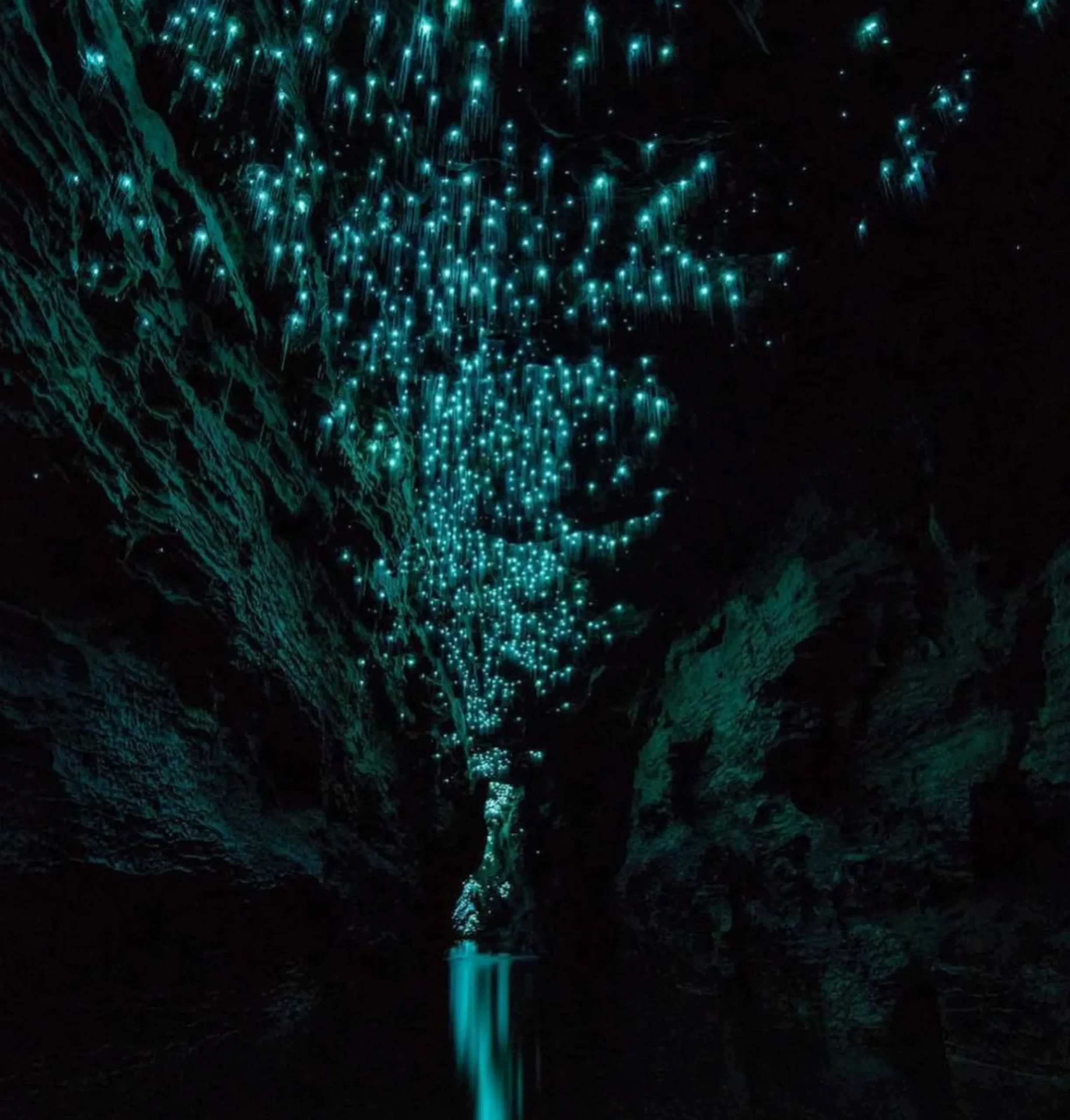
People aren’t going on crazy packing-it-all-in like they used to. Nowadays, they’re looking for shorter, more meaningful stops – something that can be crammed into a day without feeling like you’re running for the bus.
Glow worm caves do that balance thing perfectly.
You’re a stone’s throw from the Gold Coast, but you’re actually in an area that’s stuffed with ancient environments tied to the Gondwana Rainforests – a World Heritage area for real. That’s not some marketing label; it means you’re walking into ecosystems that have been ticking over for millions of years.
And one of the best things about this place is that it doesn’t require the full-on expedition plan you sometimes see at big-ticket natural attractions.
Where To Go And What You Can Really Expect
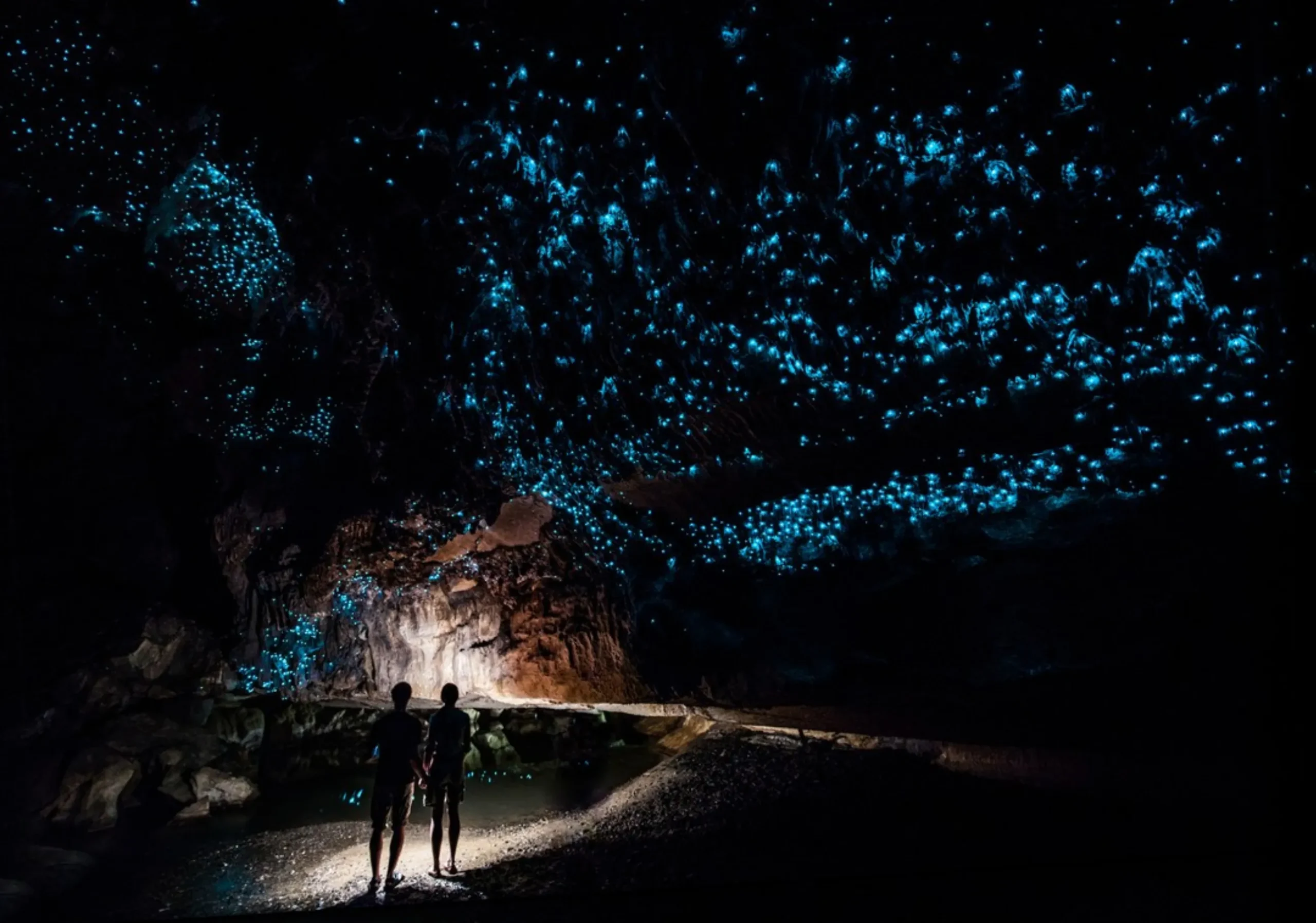
Not all glow worm caves are created equal – some are pretty tightly managed while others are more natural & a bit wild-card. Knowing the difference can save you some serious disappointment.
Comparing The Main Options
Location Type Of Experience Access Who It Suits Cost (AUD)
Mount Tamborine’s purpose-built cave Managed Easy First-timers, families $25–$35
Natural Bridge Natural Moderate walk Nature-focused travellers Free
Tracks through the Tamborine National Parks Semi-wild Easy–moderate Casual explorers Free
The purpose-built cave is always consistent. It’s been designed to keep the habitat safe while giving visitors a fair run at a reliable experience – and that’s exactly what operators like Wildlife Tours are counting on with their guided glow worm tour formats and small-group sizes.
You get a lot more atmosphere at natural sites like Natural Bridge. You walk along a rainforest boardwalk, listen to water echoing off the rock, and gradually get used to the dark as the glow worms start to show themselves.
Each visit is a unique experience.
What You’re Actually Gazing At (And Why It Matters)
Loads of people wander in thinking they’re looking at glowing worms, and fair enough – that’s what it’s called.
But it’s almost, but not quite right.
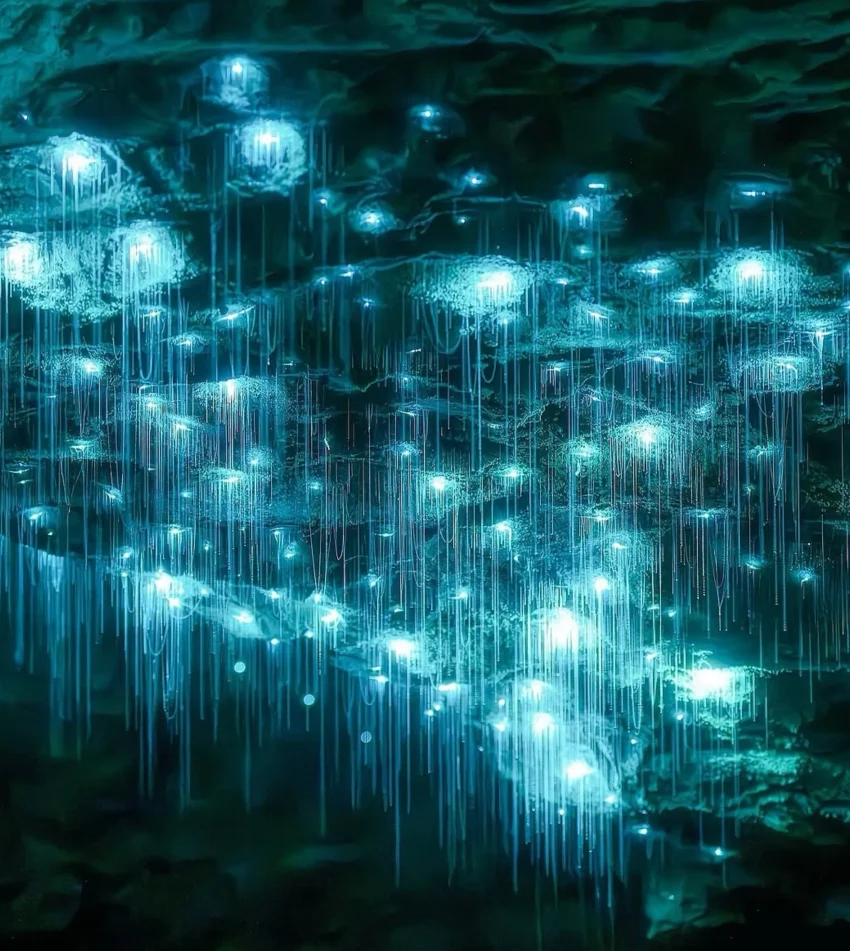
These are bioluminescent larvae – the very early stage of a fungus gnat. That glow comes from a natural chemical reaction. It’s designed to lure in insects.
The System At Work
- The larvae hang from the cave ceiling
- Put out a blue-green light
- Sticky threads hang down from them
- Insects get caught → end of story
Eventually, they grow up into a fly, and the cycle continues from there.
It’s a pretty simple, efficient, and effective way to catch prey. And what’s really impressive is that it’s been working a treat for thousands of years without needing any upgrading.
Why Visitor Numbers Spiked In 2026
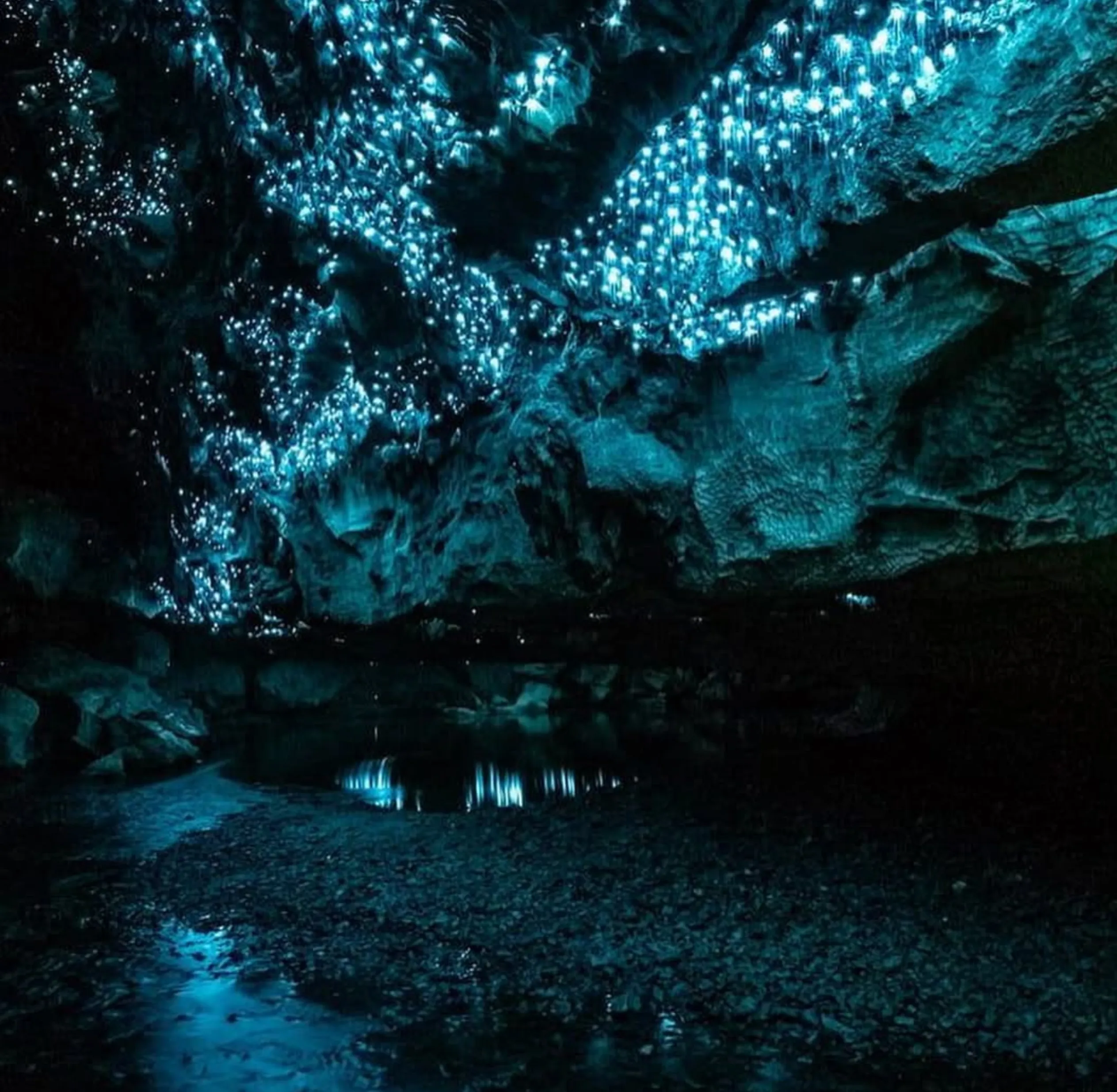
It’s no coincidence. This ties in with how travel behaviour is changing.
- People want experiences that feel genuinely real
- Short breaks that don’t require a huge time commitment
- Getting close to nature without all the hassle of logistics
Regional bodies like Experience Gold Coast have also been doing a lot to promote this place. And with the backing of organisations like Wildlife Tourism Australia, and some general upgrades to the infrastructure, you’ve ended up with something that’s not hard to sell – and pretty easy to get to.
I’ve had people compare the experience to stargazing – except instead of being out in the open, you’re underground. That’s not a bad comparison at all, really.
What It’s Like When You’re Actually There
Let’s cut through all the fluff.
You walk in, and it’s dark, and nothing happens for a few seconds. Then, as your eyes get used to the dark, the ceiling starts to light up – with this load of tiny blue lights.
Not flashy, not loud, just steady.
You might pick up on the tiny details if you take the time to look – water dragons near the entrance, geckos blending into the rock face, and the sound of native frogs bopping around the cave.
It’s not a showy spectacle; it’s actually pretty quiet.
Best Time To See The Glow
You don’t need fantastic weather, but it certainly helps – especially after a good downpour.
The glow shines through a bit more strongly when the humidity’s high and the day’s been wet. Evening visits are the perfect time to see it really come alive – and if you can manage a night tour, so much the better. But don’t expect the same level of brightness after a dry spell – it does tend to dull it a bit.
As for the timing, some nights are going to be total stunners – while others will be more subdued. That’s all part of the experience, and part of the fun.
Plan Your Visit Simply
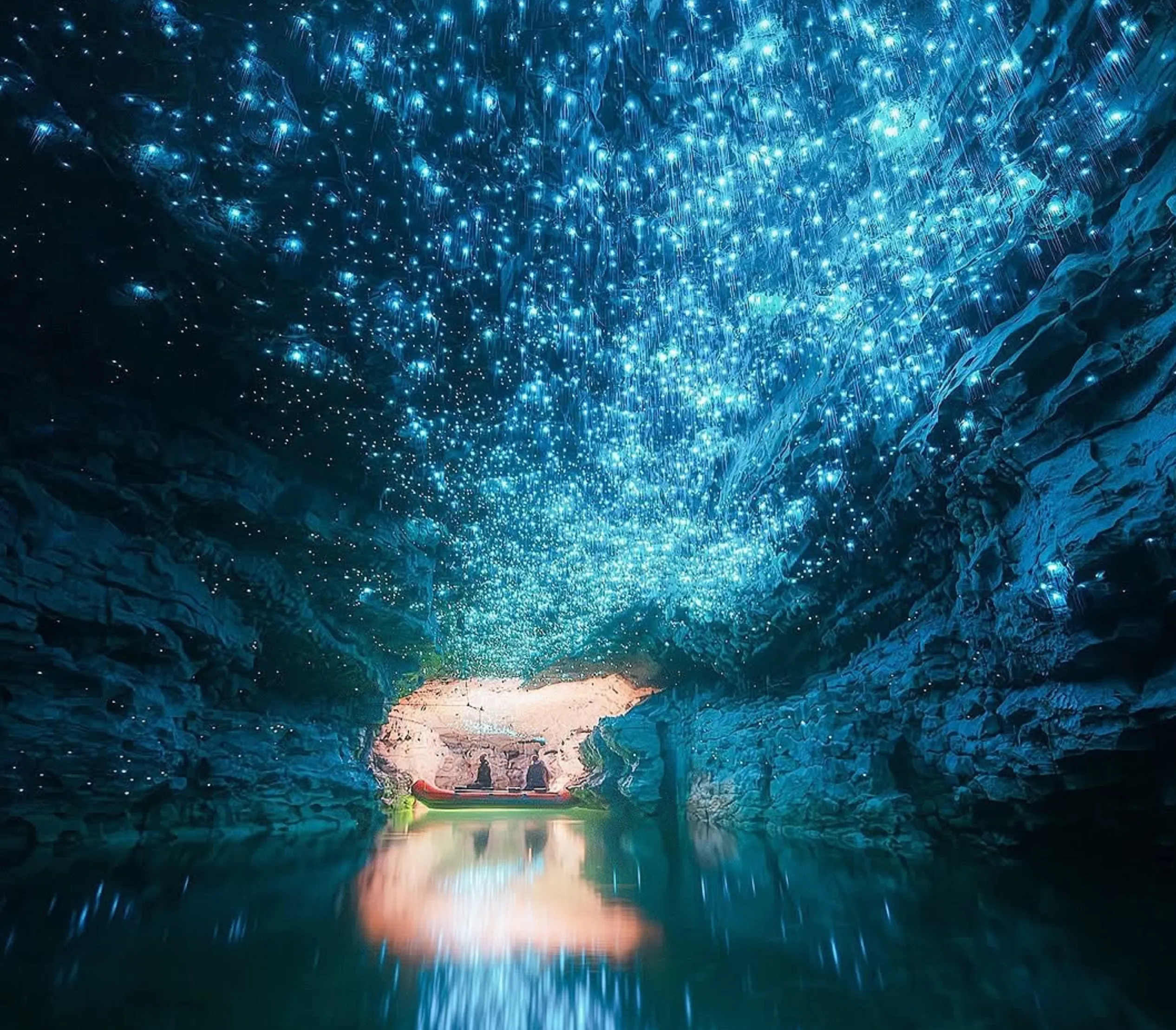
You don’t need some super-fancy itinerary to get the most out of this place. Keep things simple, and you’ll enjoy it a lot more.
So this is what I’d suggest: take a scenic drive up to Tamborine Mountain, book yourself a guided tour, then take it easy afterwards. Grab a bite to eat, take a short walk on one of the local trails, and finish off with a bit of wine tasting in the surrounding hills. It’s just a chance to unwind and slow down, you know?
In my experience, a lot of travellers will actually work this place into a bigger Great Ocean Road day trip – maybe a day trip along the Great Ocean Road, for instance. The idea is to mix up the longer drives with some shorter, really memorable stops, so you don’t end up feeling burnt out.
Why Visitor Impact Matters More
Success can be a double-edged sword if you’re not careful.
Glow worms rely on pretty specific conditions to thrive – lots of humidity, total darkness, and minimal disturbance. When too many people come through, bringing too much light and disrupting the environment, that delicate ecosystem starts to get disrupted.
That’s why you’re starting to see things like:
- Limited access in places that are specifically built to support the glow worms
- The support of groups like Landcare Australia
- Places where you can report if you’ve spotted any problems – to help keep those sensitive areas safe
- Conservation projects like building nest boxes for the local wildlife
And there’s work going on behind the scenes, too – with researchers and conservation advocates all pitching in to help keep the long-term health of the ecosystem on track. People like Robin Rowland are doing brilliant work in this area.
It’s not just about saving the glow worms, of course – it’s about keeping the whole place in balance.
The Bigger Picture Of The Region
The caves are just one part of what makes this place so special.
You’ve got:
- Breathtaking tropical rainforests
- Scenic drives through the Scenic Rim – which is just as lovely as it sounds
- Short, easy rainforest walks on boardwalks
- Some amazing local food and wine to enjoy
If you’re looking for a bit more peace and quiet, places like Frog Hollow offer a nice change of pace from the busier areas. The key is to take your time and really soak up the experience – don’t just rush in and out.
The Unpretentious Joy of Glow Worm Caves
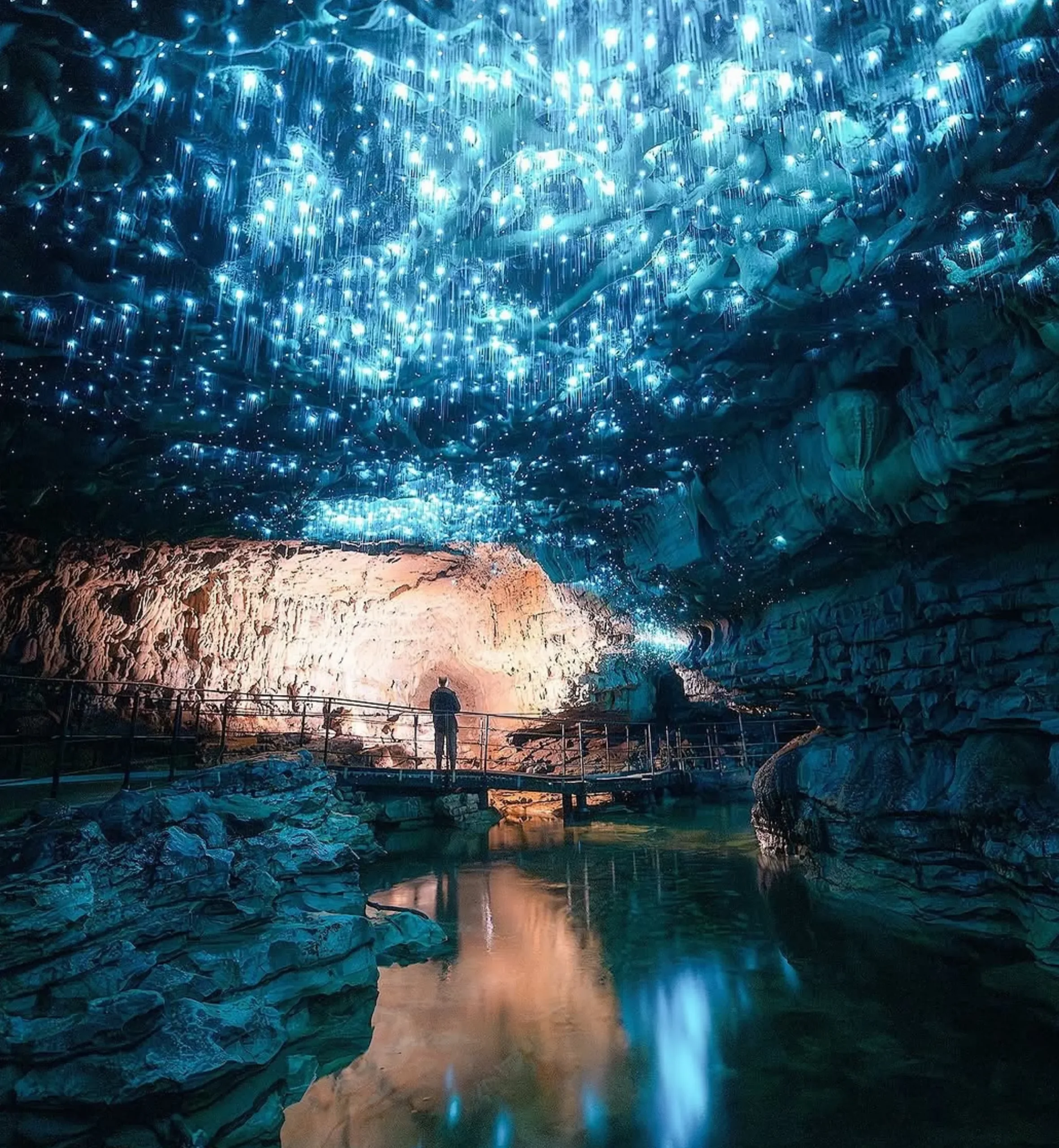
Glow worm caves in Queensland are the real deal – they’re drawing in crowds in 2026 because they offer something travel experiences all too often promise but rarely deliver – the simplicity of just being there.
No over-the-top build-up or empty promises – just a genuinely quiet, natural spectacle that lingers long after you leave.
If you show up expecting to be blown away by a peaceful, otherworldly experience in nature, you’ll leave feeling pretty impressed. But if you’re holding out for something loud or flashy, you might end up missing the point entirely.
Pair this with a relaxed day exploring the Gold Coast’s hills, and maybe a lazy afternoon in the Scenic Rim, and you’ve got a trip that feels perfectly balanced – no need to rush.
That’s the sweet spot these days. And to be honest, I think it’s a really good one to aim for.
FAQ
Will you always see a lot of glow activity?
Unfortunately, conditions like humidity and temperature can really affect how bright the glow is, so some nights are more spectacular than others.
Are these locations protected for the environment?
Yes, actually – many of them are set within National Parks or run under super strict conservation programs to keep those fragile ecosystems intact.
Do you need to book in advance to get into the caves?
Yeah, that’s usually the case for managed caves – most glow-worm cave tours are run on set times by licensed operators, so you’ll need to book.
Does bright light mess with the experience?
Absolutely – artificial lights can mess up the glow worms’ feeding behaviour and reduce their visibility, so it’s worth going in with a phone on silent and all that.
Do you need to be in top physical shape to visit?
No, these places are actually pretty easy to get around – most locations are short, flat walks that are accessible to a lot of visitors.