The Facial Hub clients often ask, “What are the signs of overwashing your face?” And believe it or not, it’s more of a concern than you’d ever expect. Most people are cleaning off their natural oils without even realising that their skin barrier relies on those lipids and fatty acids for protection. The thing is, we’ve all been taught that “clean” means “spotless” – but your pH level, microbiome, and moisture barrier have a very different take on what that means – especially in a place like Brisbane, where UV damage, humidity and all the rest just put your poor skin under even more stress.
Contents
- 1 Why Cleansing Missteps Happen
- 2 How To Recognise a Disrupted Skin Barrier
- 3 Finding the Right Cleansing Rhythm for Your Skin
- 4 Brisbane-Specific Note
- 5 A Simple Table: Signs of Overwashing vs. Signs of Underwashing
- 6 2026 Skin Health Trends
- 7 How to Repair the Skin
- 8 The Biggest Myths About Cleansing
- 9 Your Skin Wants Balance, Not Battles
- 10 FAQ
Why Cleansing Missteps Happen
When clients come in for a treatment, I often get the same story: “My skin was greasy, so I went another round.” More often than not, people end up over-washing their face because they’re after a clear complexion, a smooth texture, and fewer breakouts. But overwashing just throws your moisture barrier and natural oil barriers out of whack, stripping away the oils that your sebaceous glands produce to keep things in balance.
Cleansing should be working with your skin’s microbiome, not against it. When you wash too much, or use harsh cleansers, hot water, or products with alpha hydroxy acids like glycolic acid or beta hydroxy acids like salicylic acid too often, you strip away the very things that keep your skin barrier healthy. A client who recently came in for a dermaplaning course reached the same realisation I’ve been making sure lots of my clients understand: her irritation wasn’t due to the exfoliation – it was down to over-cleansing, four times a day!
Don’t get me wrong – plant-based ingredients, hydrating products, micellar water and even fancy cleansing formulas can be just as damaging if you’re overdoing it, depending on how often you cleanse and what your skin type is.
How To Recognise a Disrupted Skin Barrier
If your skin starts sending distress signals, learn to read them early, and you’ll be amazed at the difference it can make.
- 1. Your Skin Feels Tight or “Squeaky” After Cleansing
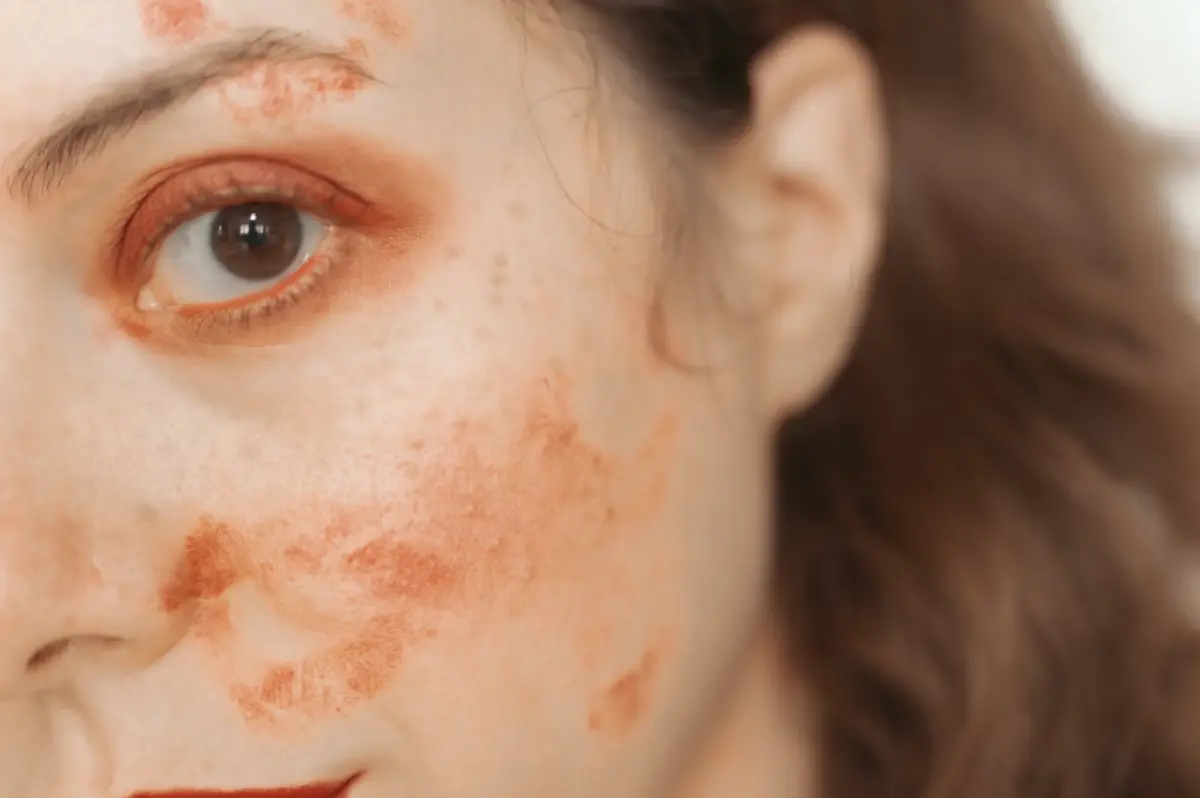
When your skin feels tight after a face wash, that’s not a glow; it’s your skin crying out for help. I once treated a client who’d had an IPL hair removal at The Facial Hub, and during our consultation, she simply turned out that her cleanser was stripping her skin way more than the treatment itself. - 2. You Notice Increased Redness or Sensitivity
Over-washing can be a real problem. It strips the skin of its protective fatty acids and lipids, leaving it exposed and sensitive. You might notice this as:- Flushing up like crazyStinging whenever you put on a hydrating tonerRedness that just won’t go away after washing your face
- 3. Your Skin Suddenly Becomes Oilier
Your sebaceous glands go into overdrive trying to compensate for the dryness. And if you’re acne-prone, this can lead to some pretty aggressive breakouts – especially if you’re double cleansing the wrong way. Even some of the top dermatologists in the business are warning against excessive cleansing. - 4. Flaking, Rough Patches, or Texture Changes
A disrupted moisture barrier just can’t hold onto hydration anymore. So you might notice things like:- Flaking skin
- Rough patches that are just a pain
- Makeup that doesn’t go on as smoothly as it used to
- 5. More Breakouts — Especially Small, Angry Pimples
It’s a pretty good bet that a weakened barrier is letting bacteria get in more easily, which means more breakouts. I once had a client who’d booked in for a spray tan at The Facial Hub, but she was surprised to find it was patchy because her skin was so dry and flaky from over-washing. - 6. Your Serums and Moisturisers Suddenly “Don’t work. its”
When the barrier’s compromised, your active ingredients just can’t get in. Even something as simple as hyaluronic acid or face oil might feel like it’s not doing anything for you.
Finding the Right Cleansing Rhythm for Your Skin
For most people, skin looks and feels its best when cleansed twice a day, morning and night, with water that’s not too hot – lukewarm water does the trick. But you can end up overwashing your skin if you:
- Cleanse more than twice a day.
- Double cleanse without getting all the makeup or sunscreen off first.
- Use an oil cleanser, then follow with a water-based cleanser, and scrub the crap out of it.
- Use hot water instead of lukewarm – we’re talking boiling water here.
Brisbane-Specific Note
We’ve got a pretty humid climate in Brisbane, and a lot of people feel like they need to wash their faces again and again, but the truth is washing more won’t fix the problem – a hydrating toner or mist is a better solution.
A Simple Table: Signs of Overwashing vs. Signs of Underwashing
| Skin Behaviour | Overwashing | Underwashing |
|---|---|---|
| Oil production | Excess due to rebound | Excess buildup |
| Texture | Flaky, tight, rough | Congested |
| Sensitivity | High | Low until clogged |
| Breakouts | Small inflammatory pimples | Blackheads, whiteheads |
| Barrier function | Weakened | Overloaded |
2026 Skin Health Trends
Skincare trends in 2026 showed a massive 42% increase in searches for “skin barrier repair”. With skincare ingredients getting more and more potent and double cleansing routines becoming super trendy, overwashing has become super common. Now, many beauty experts are emphasising the importance of understanding how your skin responds to stress and how to use pre- and postbiotics to keep your skin barrier healthy.
How to Repair the Skin
If you recognise these signs, the good news is that your skin can totally recover.
- 1. Strip Back to a Minimal Routine
For people with very sensitive skin, I usually start with:- A super gentle cleanser (like asap gentle cleansing gel)
- A moisturiser that’s all about repairing your skin barrier
- Sunscreen
- 2. Add Barrier-Loving Ingredients
Look out for ingredients that’ll help repair and strengthen your skin, such as:- Hyaluronic acid
- Ceramides
- Niacinamide
- Squalane
- Pre- and postbiotics
- Colloidal oatmeal
- 3. Support With Professional Treatments
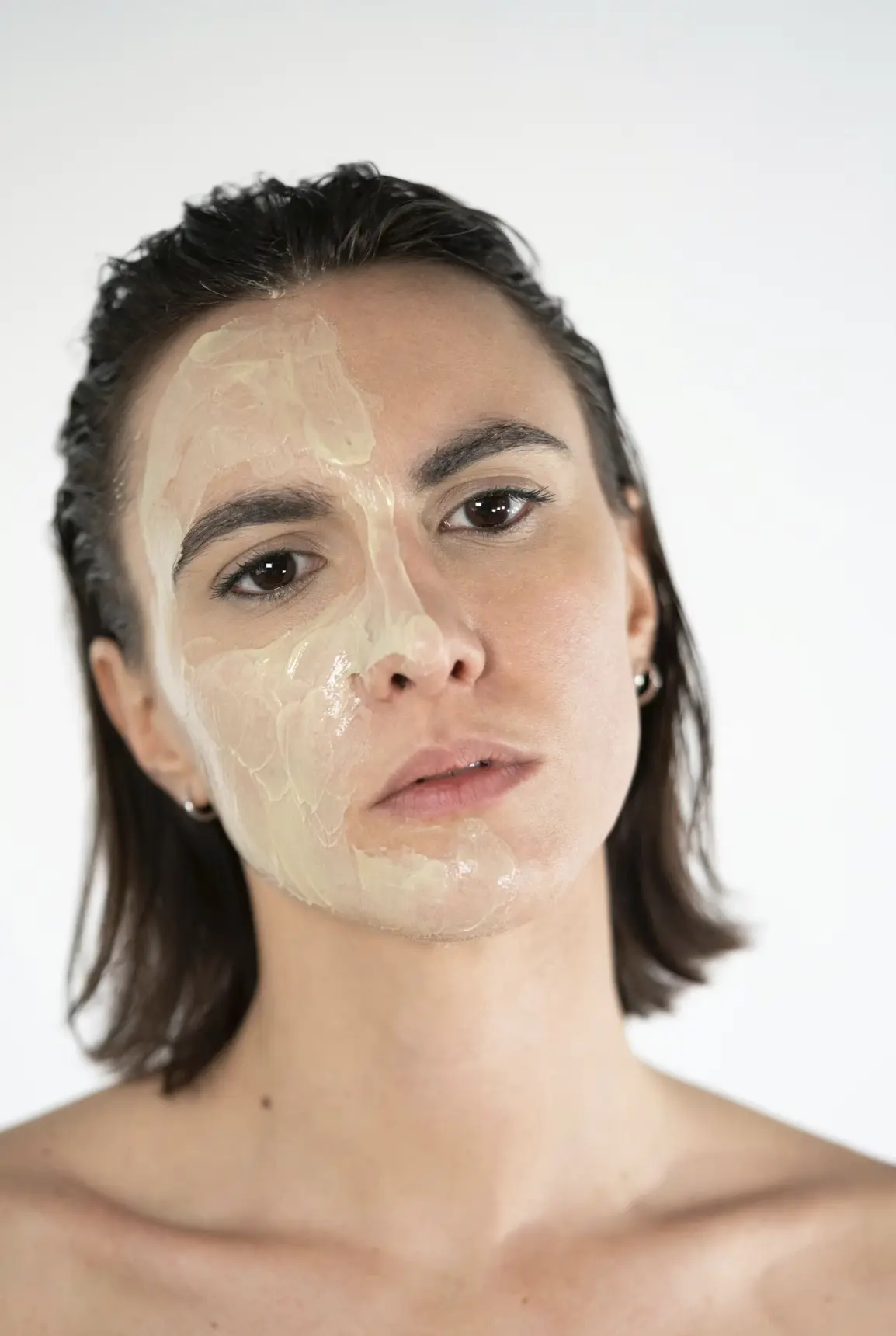
At The Facial Hub, I often recommend:- LED therapyHydrating facialsTreatments that are all about calming and soothing your skin

The Biggest Myths About Cleansing
Myth 1: More Cleansing = Fewer Breakouts
Washing your face to death actually throws your oil/moisture balance way out of whack – that’s when breakouts actually get worse.
Myth 2: Foam Means Clean
Those cleansers that produce a ton of foam? They’re actually just raising your skin’s pH and damaging that all-important protective barrier.
Myth 3: Tight Skin = Clean Skin
When your skin gets all tight, that’s actually a sign that you’ve impaired your barrier – and that’s not what you want.
Your Skin Wants Balance, Not Battles
Cleansing shouldn’t be a war: it should be gentle and supportive. Not sure whether your routine is working for you? Come on down to The Facial Hub, and we’ll sort you out. We can even combine a skin consult with a relaxing treatment in our infrared sauna, or get you looking great for upcoming events with a barrier-friendly routine to prep you for a quick spray tan at The Facial Hub.
FAQ
Can overwashing cause long-term damage?
Absolutely. Weakening your moisture barrier can leave your skin feeling dry, sensitive and super reactive.
Should I double cleanse daily?
Only if you’re wearing sunscreen or makeup – otherwise, double cleansing might be overkill.
Does micellar water overwash the skin?
Micellar water is pretty gentle, but using it too often can still throw your oil/moisture balance out of whack.
How long until my skin barrier heals?
Most of our clients start to see some improvement within a week or two, but it can take up to six weeks for your barrier to fully recover.
What cleanser is safest for overwashed skin?
When your skin is feeling all battered and bruised, you want a gentle cleanser with a low pH level and some hydrating or soothing ingredients like colloidal oatmeal or avocado oil.