
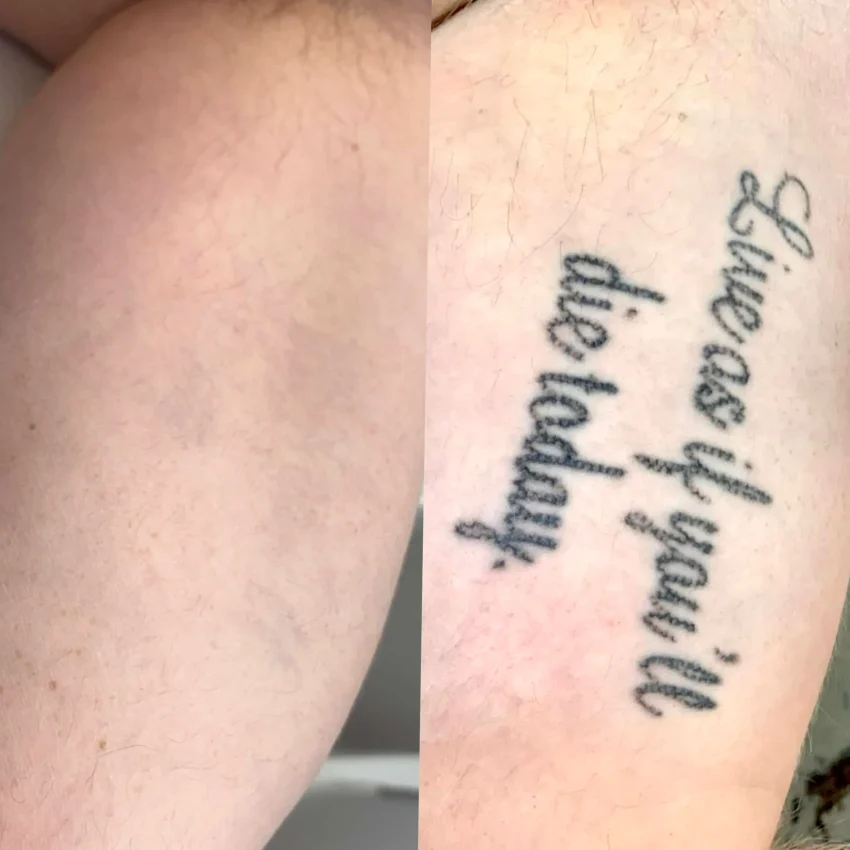
Right to the point — “What can remove tattoo ink?” is a question I get asked almost as much as “Can you fix my old eyebrow tattoo?” At Cosmetic Tattoo Studio Melbourne Face Figurati, we do everything from gentle eyebrow tattoo removal to complex body tattoo fading. I’ve seen it all: beautifully faded tattoo pigments that lift cleanly, stubborn black ink that hangs around for years, and the occasional “DIY removal disaster” involving tattoo removal creams that ends with a panicked phone call.
Whether it’s an old Permanent Makeup brow, over-saturated lip blush or body art that’s lost its meaning, knowing your options is key. Removal isn’t as simple as scrubbing your skin or slathering on a magic removal cream — and understanding how ink particles sit in the skin will help you make the right choice for your goals, budget and safety.
Contents
- 1 How Tattoo Ink Sits in the Skin
- 2 The Main Tattoo Methods
- 3 At-Home and Over-the-Counter Removal Options
- 4 Melbourne Considerations — Climate, Skin, and Healing
- 5 Healing Timelines and What to Expect
- 6 Risks and Safety Precautions
- 7 Real Client Stories from Face Figurati
- 8 Costs in Melbourne — What’s Typical
- 9 My Professional Recommendation
- 10 Final Thoughts — Take Your Time, Do It Right
- 11 FAQ
How Tattoo Ink Sits in the Skin
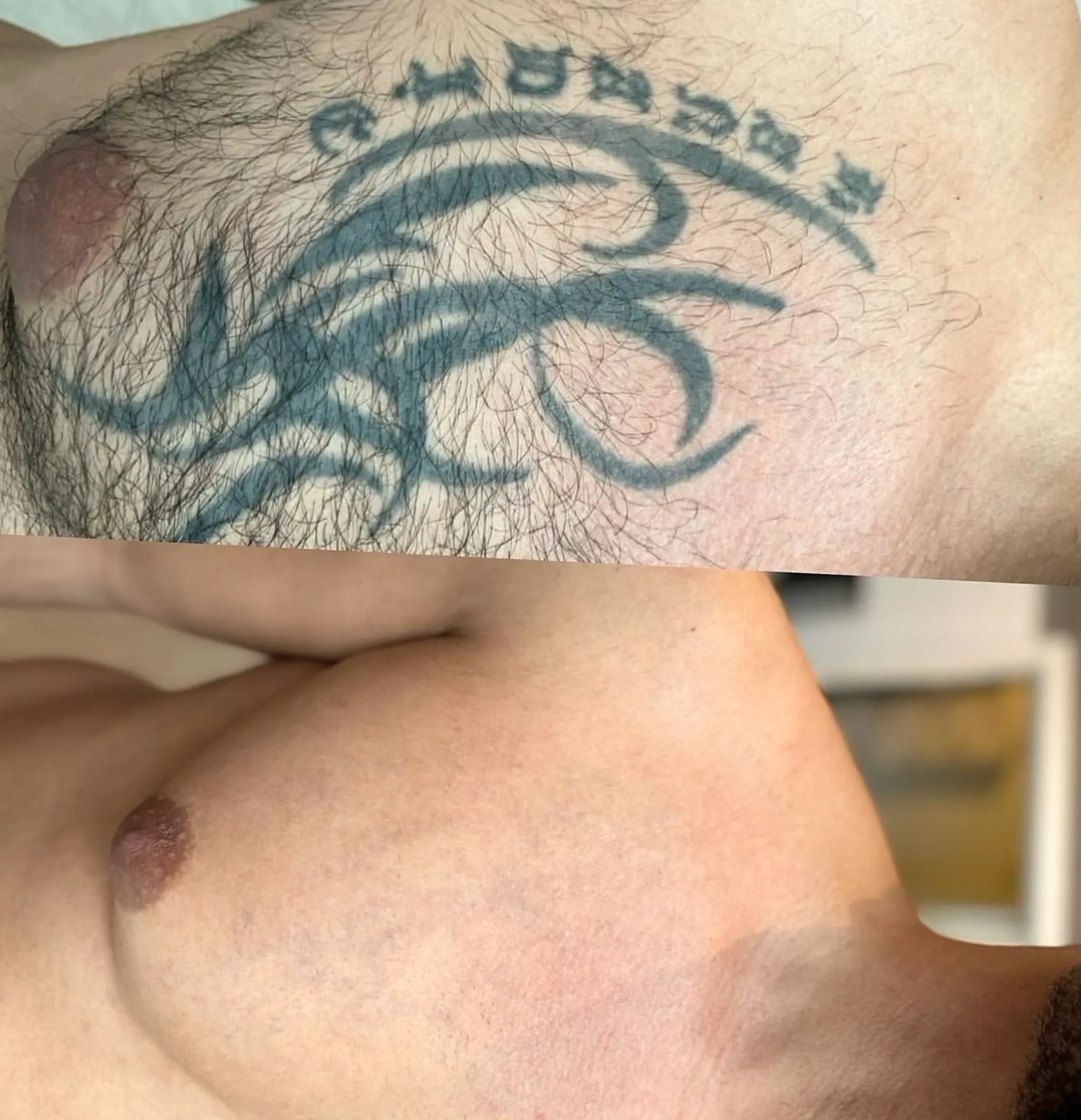
Tattoo pigments live in your dermis — the deeper layer of skin under the epidermis. Cosmetic tattoos and body tattoos use different pigment formulations, but they share one thing: the body sees them as foreign particles. Your immune system deploys white blood cells to break them down, but most ink particles are too large for the lymphatic system to process naturally.
This is why fading happens slowly over years — and why complete removal requires targeted intervention. Pigments are designed to be stable, resist fading and hold their colour, making them hard to dislodge without causing skin damage. Skin type, skin conditions and pigment composition (like titanium dioxide in white ink or iron oxide in some brow pigments) all affect the removal process.
The Main Tattoo Methods
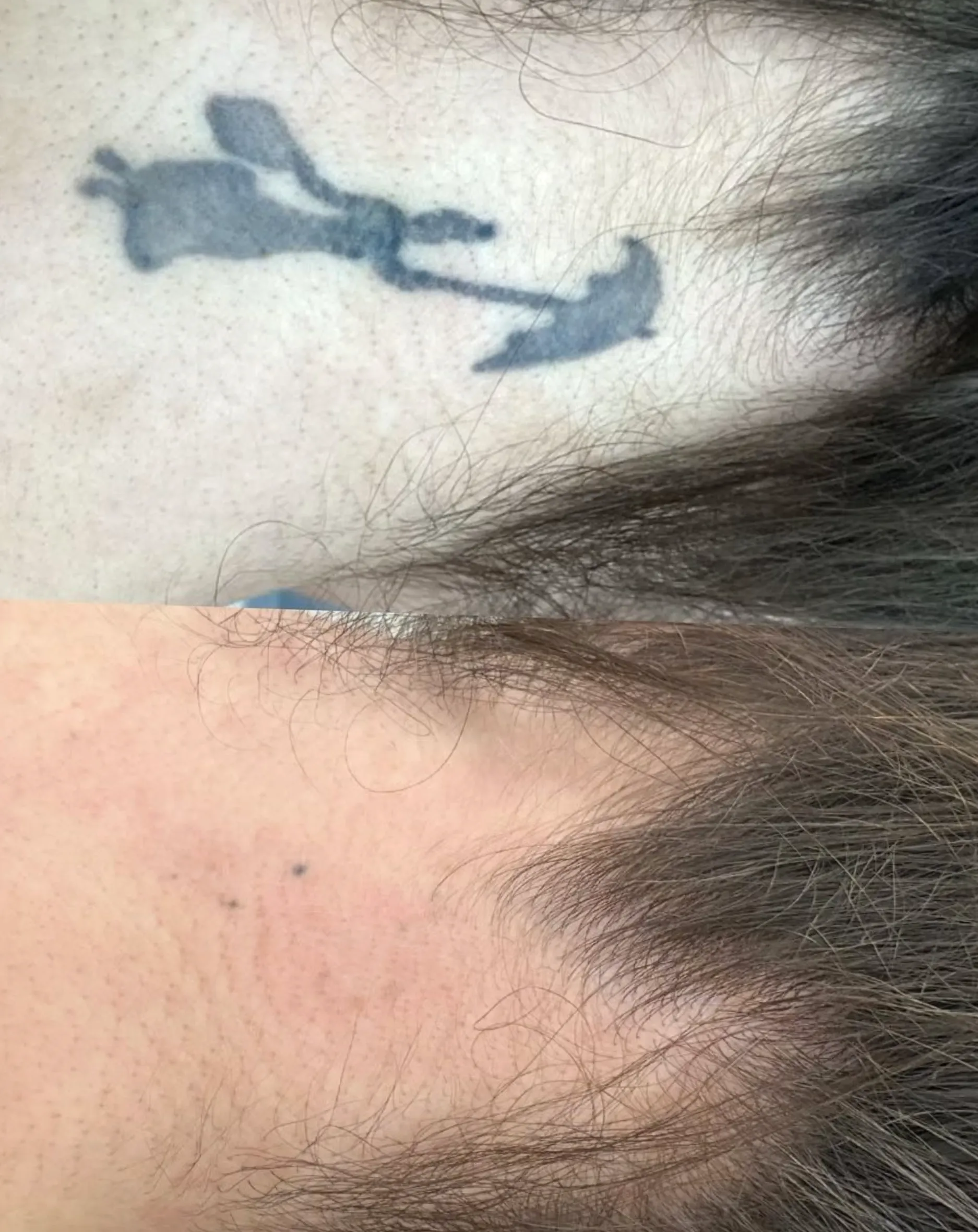
When you’re weighing up options, it’s good to know each method’s strengths, weaknesses and risks.
Laser Tattoo Removal — The Gold Standard (With Caveats)
Laser Tattoo Removal works by sending targeted pulses of laser light into the skin to shatter pigment particles into smaller fragments. The immune system then removes these fragments over time. Laser technology, especially Q-switched lasers, uses specific wavelengths to target certain colours — for example, green light for red pigments and infrared light for black tattoo ink.
At Cosmetic Tattoo Studio Melbourne Face Figurati, we use advanced laser tattoo removal treatments for both cosmetic and body tattoos. Whether it’s eyebrows tattoo removal or lightening old lip blush pigment, the right laser wavelength can make all the difference.
- Pros: Works for many colours, especially black ink and blue ink. Can be tailored to pigment type via absorption spectrum targeting. Minimal downtime compared to skin excision.
- Cons: Requires multiple removal sessions. Some pigments (like titanium dioxide in white ink) may darken before they lighten. Side effects can include redness, swelling or pigmentation changes.
Saline Tattoo Removal — Gentle but Gradual
Saline removal uses a saline solution implanted into the tattooed area with a tattoo machine or microblading pens. The solution draws ink particles to the surface, where they form a scab and exit during the healing process.
- Pros: Works for cosmetic tattoos like eyebrow tattoo removal. Can lift pigment resistant to laser light. Lower risk of pigment darkening with iron oxide-based pigments.
- Cons: Slower than laser tattoo removal treatments. Requires careful aftercare instructions to avoid skin damage. Not suitable for large black tattoos or multi-coloured body art.
Surgical Removal — Quick But Extreme
Also called skin excision, this involves cutting out the tattooed skin and stitching the wound closed. Only used for very small tattoos.
- Pros: One session for complete removal. No reliance on laser technology.
- Cons: Permanent scarring. Only suitable for small designs.
Dermabrasion — The Old-School Sanding Approach
This method uses a high-speed device to “sand” away skin layers to reach pigment. Not suitable for most skin types and generally replaced by laser ablation techniques.
Acid-Based Solutions
Some clinics still use acid-based solutions to chemically break down pigment. High risk of scarring and unpredictable healing.
At-Home and Over-the-Counter Removal Options
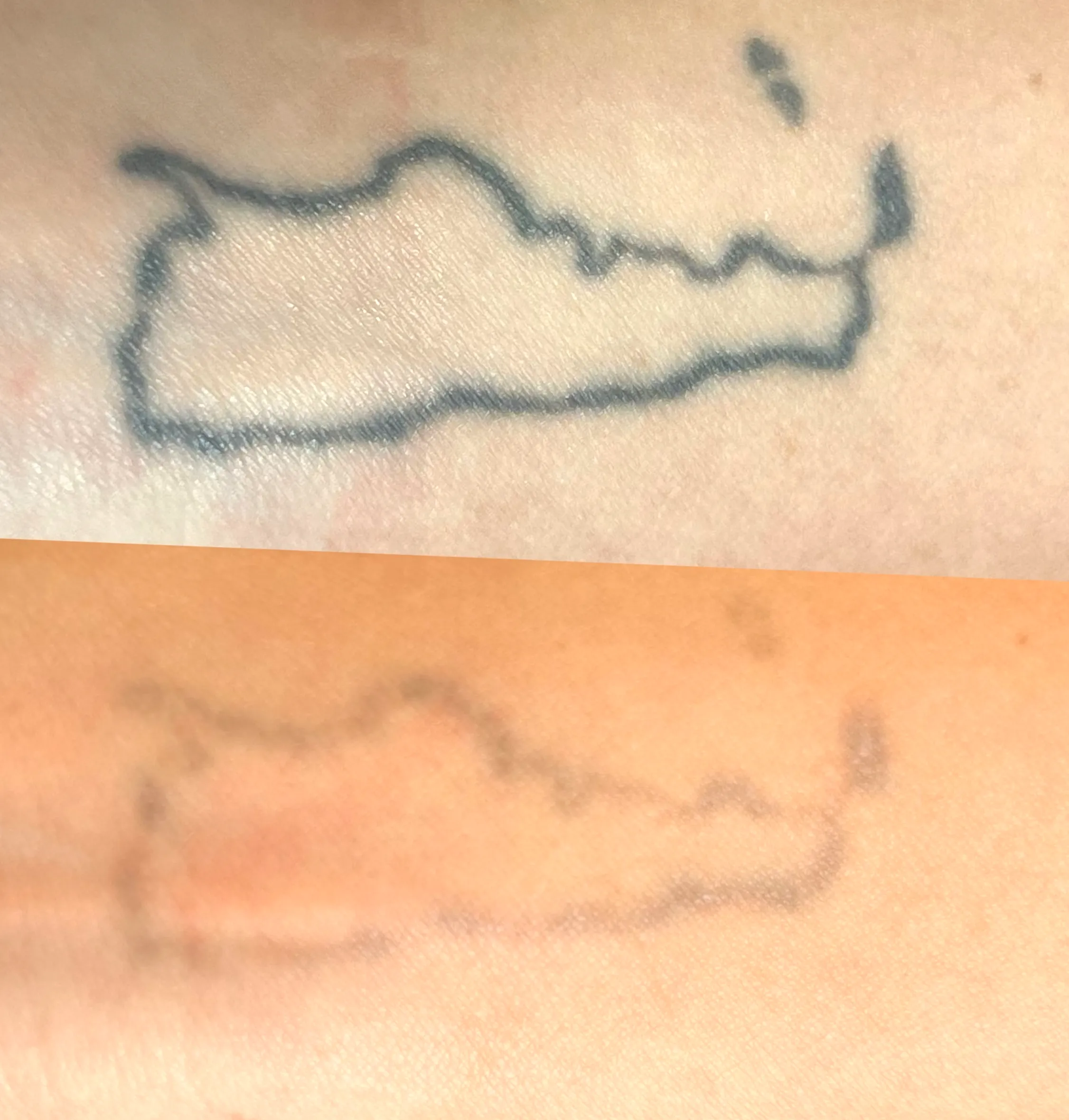
Short answer: rarely. Long answer: Tattoo removal creams and acid-based solutions can fade tattoos slightly, but can’t remove pigment in the dermis.
Natural remedies like lemon juice, aloe vera or honey have no effect on tattoo pigments beyond surface skin exfoliation.
Melbourne Considerations — Climate, Skin, and Healing
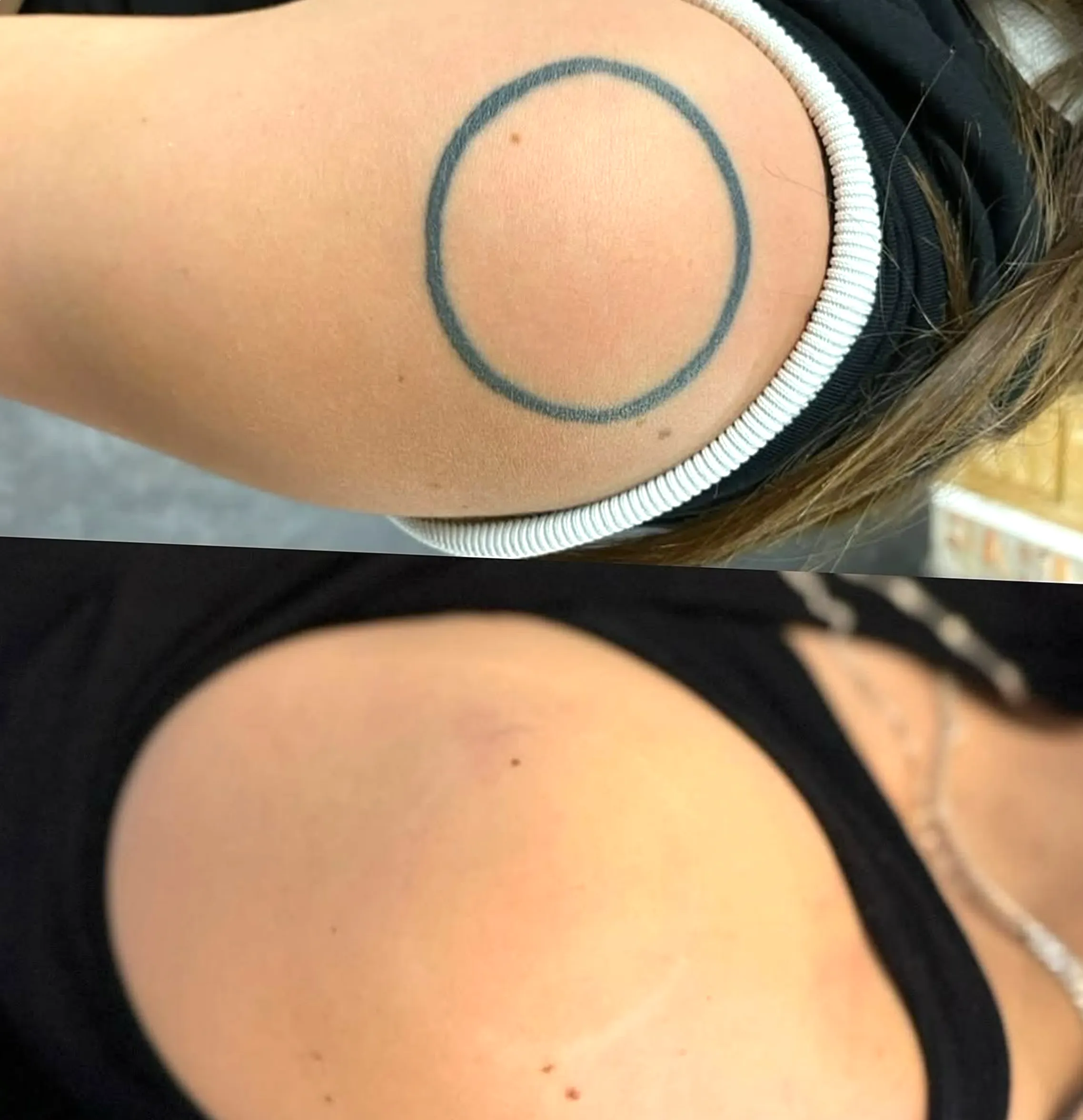
In Melbourne, seasonal changes affect healing. Summer UV exposure can cause pigmentation after laser treatment, and winter dryness can slow down the healing process.
- Follow aftercare instructions strictly.
- Space time between sessions (usually 6–8 weeks for laser tattoo removal, 8–10 for saline removal).
- Use SPF religiously after any removal procedure.
We also run tattoo removal courses for professionals wanting to master safe pigment lifting techniques.
Healing Timelines and What to Expect
| Method | Visible Lightning After | Sessions Needed | Downtime |
|---|---|---|---|
| Laser Removal | 1–3 sessions | 6–12 body / 2–6 cosmetic | 1–2 weeks redness/swelling |
| Saline Removal | 1–2 sessions | 2–6 | 1–2 weeks scabbing |
| Surgical Removal | Immediate | 1 | 2–4 weeks post-op care |
| Dermabrasion | 1 session | 1–3 | 2–4 weeks healing |
Risks and Safety Precautions
- Check your practitioner’s qualifications and tattoo removal experience.
- Ask about the specific laser or saline solution used.
- Know the potential side effects for your skin type.
- Follow all aftercare instructions to prevent skin damage.
Real Client Stories from Face Figurati
One client had blue ink in an old cosmetic brow tattoo. We used a combination of saline removal and targeted laser wavelength sessions to avoid titanium dioxide darkening. Over five removal sessions, the pigment lifted without scarring.
Another client tried an at-home acid-based solution for a black tattoo on the ankle. The ink barely faded, but the skin damage took months to heal before we could safely start laser tattoo removal treatments.
Costs in Melbourne — What’s Typical
- Laser Removal: $150–$400 per session.
- Saline Tattoo Removal: $150–$250 per session for cosmetic tattoos.
- Surgical Removal: From $500 upwards.
We also offer Brazilian hair removal and Laser hair removal for clients wanting a full skin-refresh service.
My Professional Recommendation
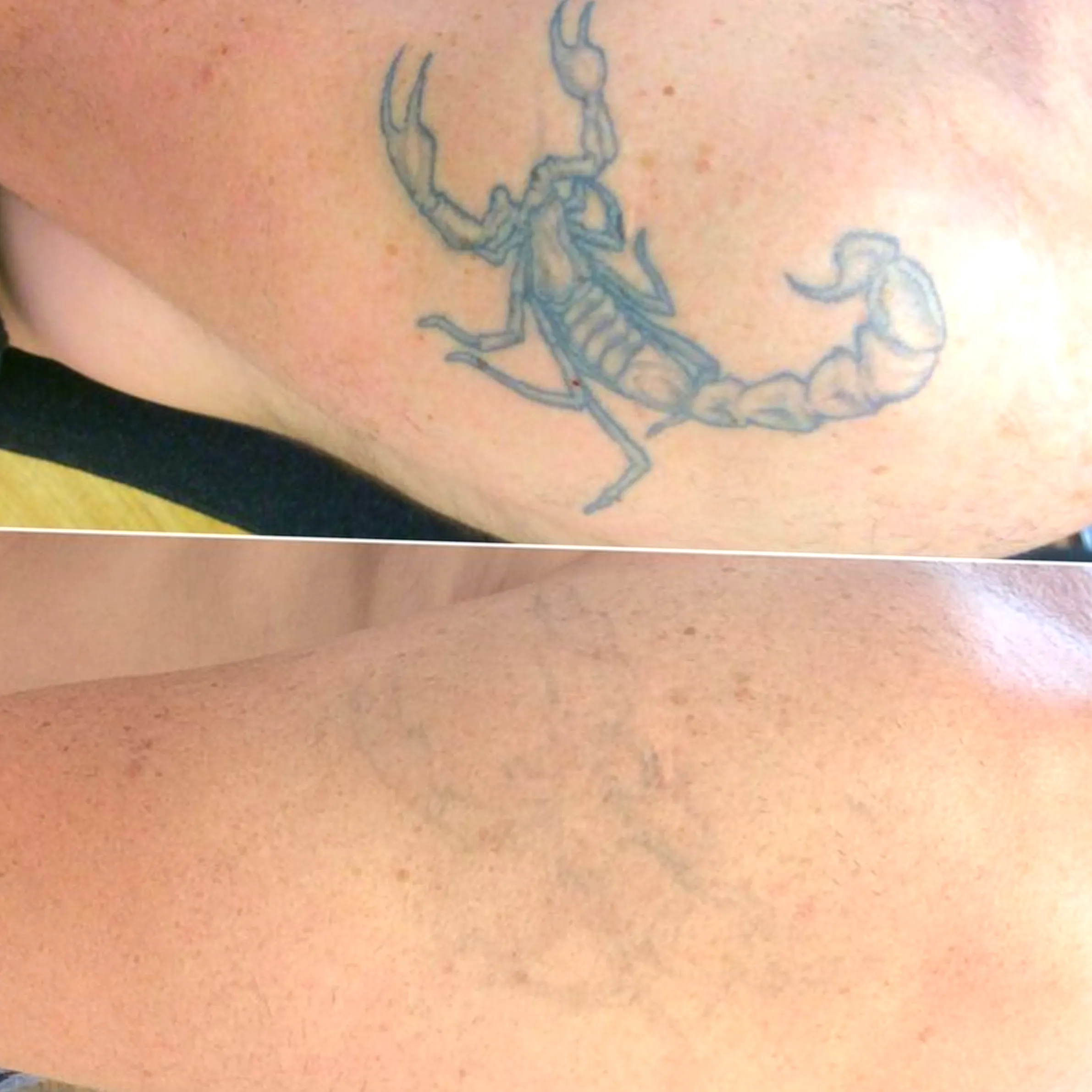
For most people, laser tattoo removal with Q-switched lasers is the safest and most effective, especially for black ink and blue ink. Cosmetic tattoos often respond better to saline removal, especially if iron oxide or titanium dioxide pigments are involved.
Final Thoughts — Take Your Time, Do It Right
Tattoo removal isn’t a sprint. It’s a process of strategic pigment targeting, skin-safe laser treatment and proper healing time. Whether you choose laser, saline or surgical removal, the goal is safe and predictable results.
If you’re asking “What can remove tattoo ink?” — it’s about finding the right match for your pigment type, skin type and long-term goals.
FAQ
Can tattoo ink be removed entirely?
Yes, in many cases, but complete removal depends on tattoo pigments, skin type and method used.
Do tattoo removal creams work?
They rarely reach the dermis where the ink particles sit.
How long should I wait between laser tattoo removal treatments?
Typically 6–8 weeks.
Is laser removal safe for all skin types?
Yes, if tailored to the skin type with correct laser wavelength selection.
What’s the best method for removing cosmetic tattoos like eyebrow tattoo pigment?
Often saline removal or a combination of saline and laser light.