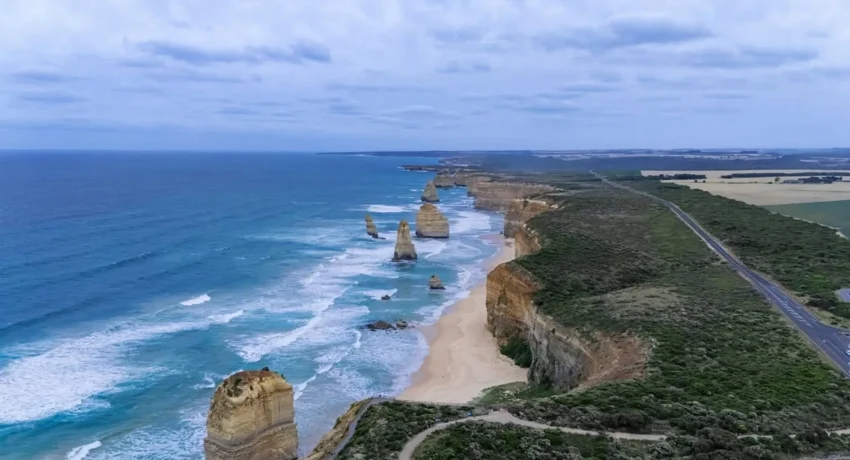
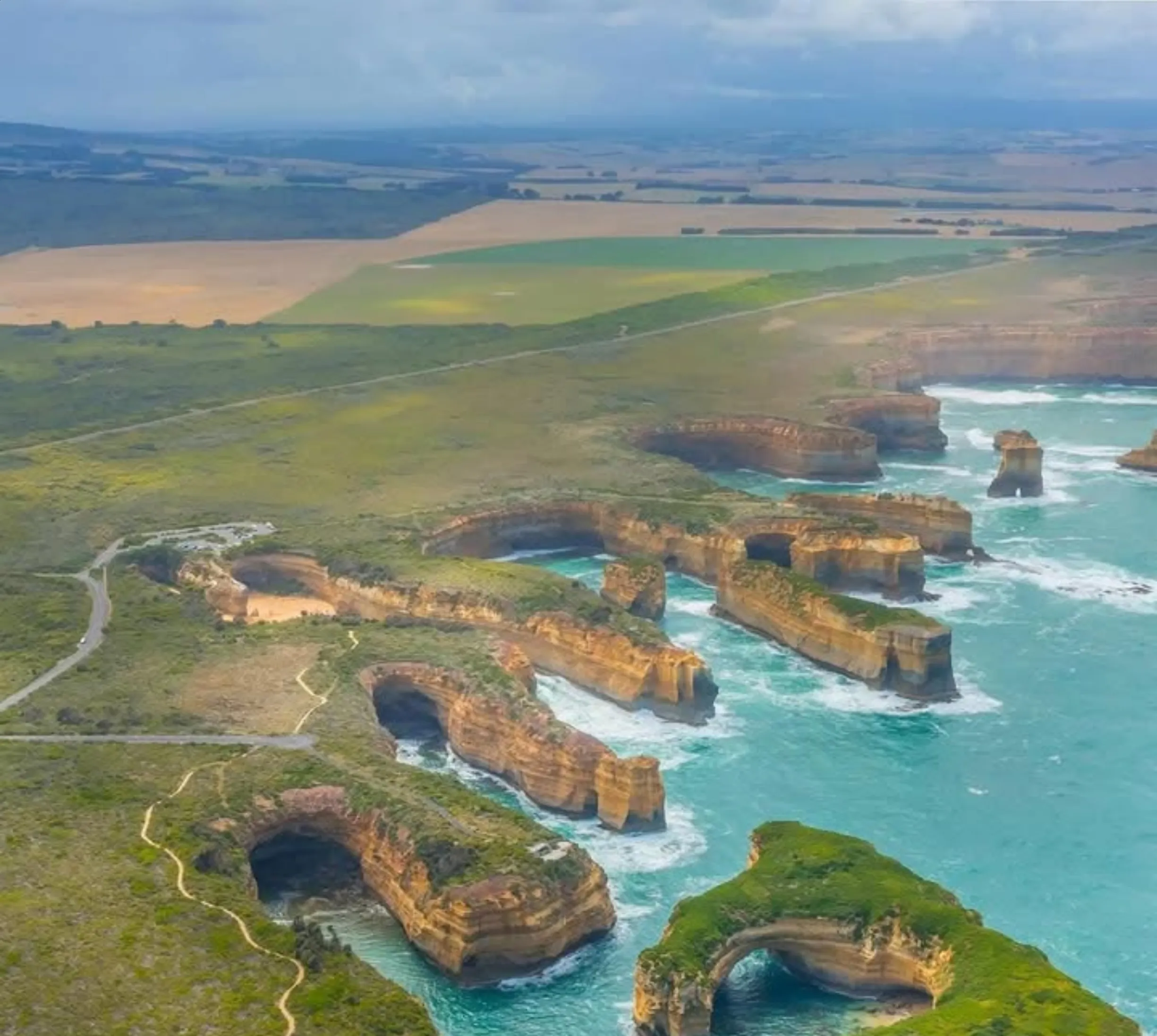
The Great Ocean Highway, also known as the Great Ocean Road, is one of the most beautiful coastal drives in the world. It runs along the southeastern coast of Australia and is famous for its ocean views, rainforests and iconic landmarks like the Twelve Apostles and Loch Ard Gorge.
Great Ocean Road Total Length
The Great Ocean Road is 243km (151 mi,) from Torquay to Allansford in the state of Victoria, Australia. This section of road is an official Australian National Heritage site and a must-do for anyone who is visiting Australia’s coast. It’s also the world’s largest war memorial, a must-see, built to honour soldiers who served in World War I.
How long does it take to drive?
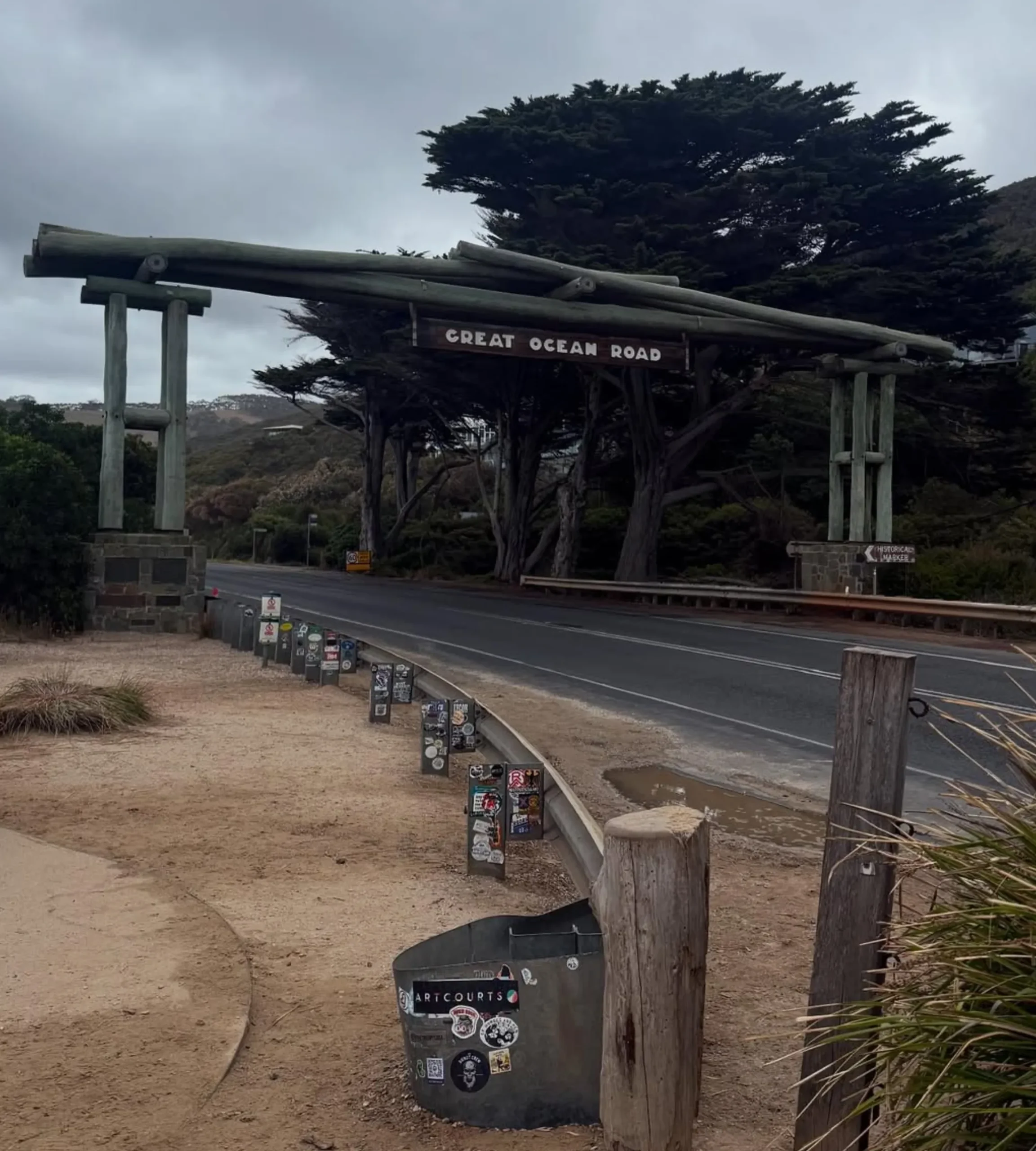
Although the road is 243km, the time it takes to drive depends on how many stops you make, the weather and road conditions. A non-stop, must-see drive takes around 4 to 5 hours,, but most people recommend allowing 1 to 2 days to fully take in the sights and experiences along the way. The speed limit varies along the road, so make sure you stay within the posted limits. If you want to have a more relaxing experience, consider a 2 day Great Ocean Road tour from Melbourne, so you have plenty of time to explore the highlights.
Major Highlights Along the Route
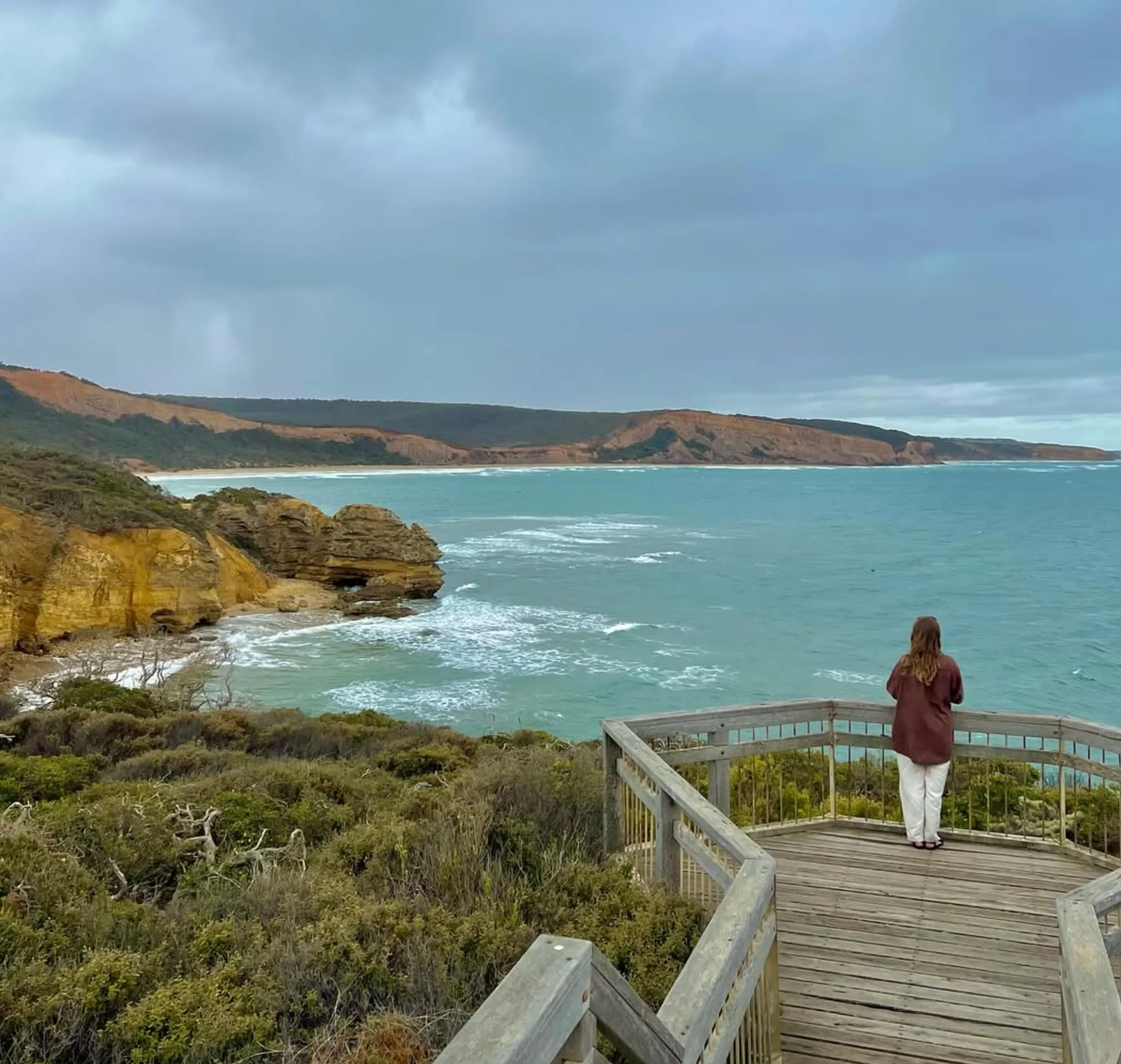
- Torquay – The official start, home to surf beaches like Bells Beach, a famous surf beach.
- Aireys Inlet – Home to the Split Point Lighthouse and stunning coastal views.
- Great Otway National Park – Rainforest with waterfalls, wildlife and walking trails, including Erskine Falls, Hopetoun Falls, Beauchamp Falls and Triplet Falls.
- Twelve Apostles – The most famous limestone stacks along the beautiful coastline, a must-see on any Great Ocean Road trip.
- Loch Ard Gorge – A tourist attraction with a shipwreck history and rock stacks.
- London Arch – A unique rock formation.
- Port Campbell National Park – Home to the Twelve Apostles, Loch Ard Gorge and the Port Campbell Visitor Centre.
- Johanna Beach – A secluded, pretty spot for surfers.
- Kennett River – Spot native wildlife like koalas in their natural habitat.
- Cape Otway Lighthouse – One of the most significant lighthouses on the southern coast, with incredible views of the Southern Ocean and Bass Strait.
- Lavers Hill – One of the bigger towns along the road, great for food and coffee.
- Port Fairy – A quaint fishing village with a village buzz and old architecture.
- Tower Hill Wildlife Reserve – A dormant volcano with native wildlife.
- Cape Patton and Cape Bridgewater – Breathtaking ocean views from the cliff tops.
- Anglesea Family Caravan Park – Great for camping near the Anglesea River.
Best Time to Travel

The best time to drive the Great Ocean Road is up to you.
- Summer (December–February): Warm weather, good for visiting beaches like Lorne Beach and Gibson Beach.
- Autumn (March–May): Better weather and fewer people to visit National Parks and coastal roads.
- Winter (June–August): Good for whale watching in Warrnambool, but rain and cold can make it a tough drive.
- Spring (September–November): Wildflowers blooming and scenic views, with stunning views along the wild and rocky coastline.
Tips for Driving
- Take your time: Enjoy the stops and essential stops along the way.
- Drive on the left: Remember, in Australia, vehicles drive on the left side.
- Watch for wildlife: Kangaroos, koalas and even the platty can be found near Lake Elizabeth.
- Check the weather: Coastal weather can change quickly, so it is a bad idea to drive in stormy conditions.
- Plan your route: Take the inland route for a faster return trip.
- Public transport: It is Limited, so it is best to rent a car to experience this coastal drive.
Great Ocean Road Tour Options
If you prefer a guided experience, here are some options:
- A Great Ocean tour from Melbourne is easy and takes the hassle out of driving.
- A Great Ocean Road day trip is perfect for those with limited time and covers the main attractions like the Twelve Apostles and Loch Ard Gorge.
- A 3 day Great Ocean Road tour allows for a chilled-out pace and time to soak up the scenery, visit hidden gems and overnight in coastal towns along the way.
Conclusion
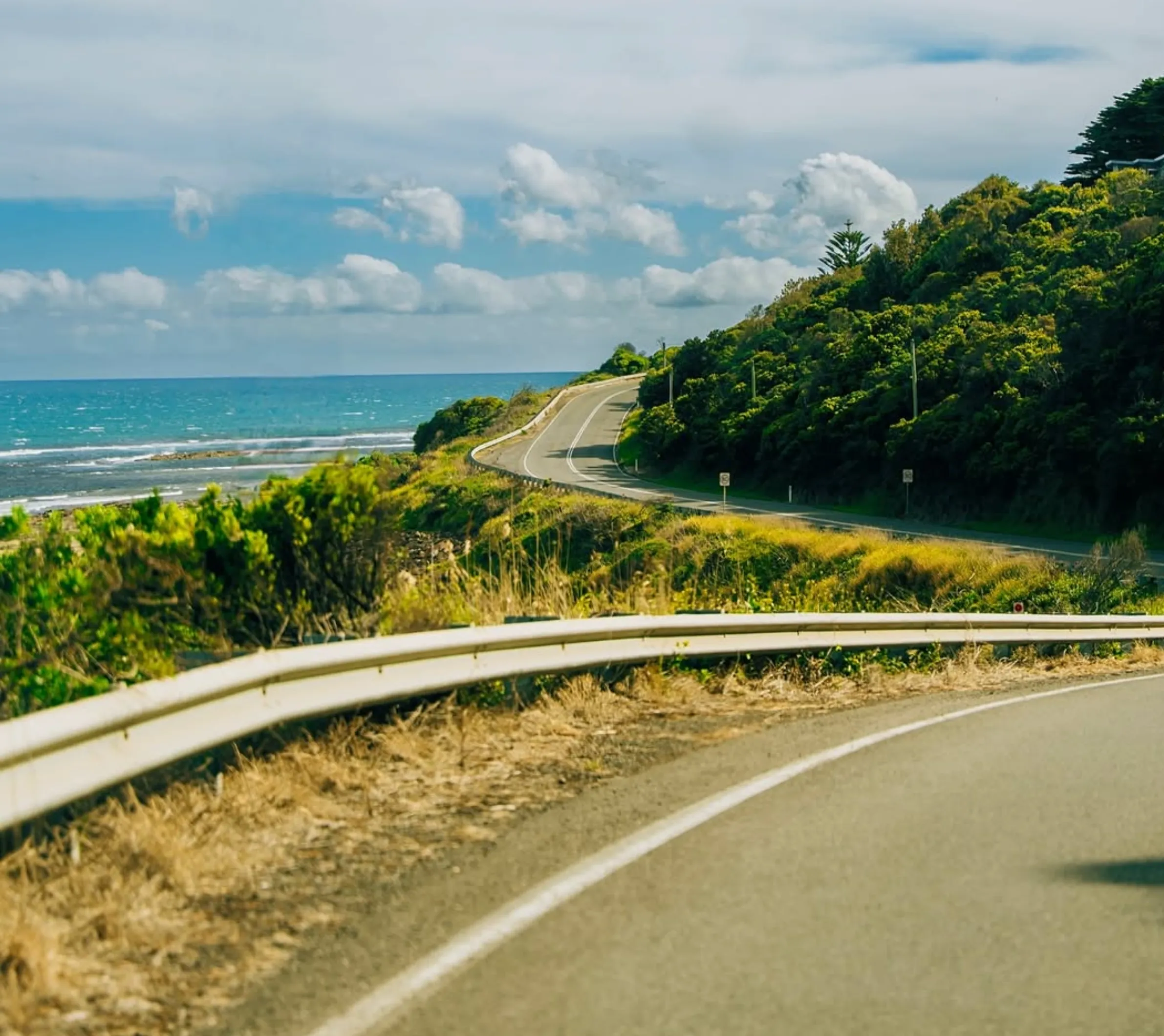
The Great Ocean Road is 243km long and is one of the world’s most beautiful coastal drives. Whether you’re an adventure seeker, nature lover or road trip enthusiast, you’ll be blown away. Take your time, enjoy the views and make some unforgettable memories along the way.
FAQs
How long does it take to drive the whole Great Ocean Road?
4 to 5 hours nonstop, but most people recommend 1 to 2 days to see everything.
What are the must-see attractions on the Great Ocean Road?
Twelve Apostles, Loch Ard Gorge, Great Otway National Park, Cape Otway Lighthouse, Port Campbell National Park.
Should I drive or take a tour?
Driving gives you flexibility, but a Great Ocean Road tour is a hassle-free way to experience the region with an expert.
When should I visit the Great Ocean Road?
Summer (Dec–Feb) for warmth, spring and autumn for mild weather and fewer people.
Are there places to stay along the Great Ocean Road?
Yes, in larger towns like Lorne, Apollo Bay and Port Campbell, from hotels to campsites.